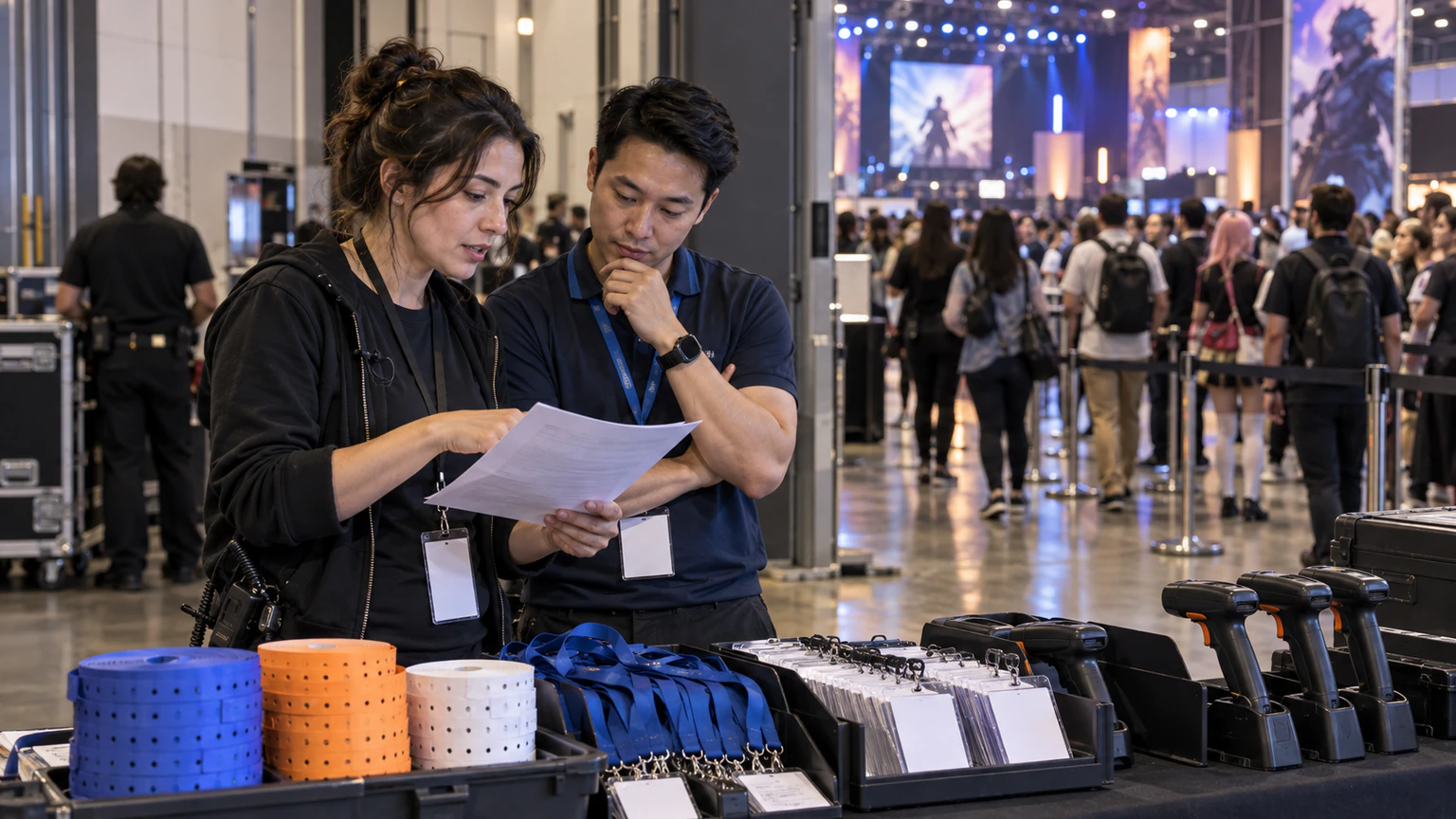

A reported plan to add extra evening networking at the World Confectionery Conference is a useful prompt for event organizers.
The idea is simple: if networking is one of the main reasons people attend, the agenda should create enough room for it. Not just in rushed coffee breaks, but in dedicated time when attendees can actually talk.
That does not mean every event needs a late-night social program. It means organizers should look closely at whether the daytime schedule leaves too little space for the conversations attendees came to have.
Extra networking time only adds value if it is designed with the same care as the main agenda.
For Bewitt readers, the practical question is straightforward: when do evening networking sessions improve attendee engagement, and how should event teams run them well?
Why evening networking can work
Daytime conference schedules are often tight. Sessions run back to back, meetings spill over, exhibitors want footfall, and attendees are constantly choosing what to miss.
An evening networking block can help because it creates a different kind of time. Attendees are no longer trying to get from one room to another in ten minutes. They can stay in one place, continue a conversation, and meet people they did not reach during the day.
That can improve engagement in several ways:
- more time for peer-to-peer conversations
- better follow-up after popular sessions
- stronger value for sponsors and exhibitors
- more chances for first-time attendees to connect
- higher perceived value from the overall event experience
For networking-heavy conferences, that extra window can be more useful than squeezing one more content session into the program.
Start with the event objective, not the format
Before adding an evening session, define what it is supposed to achieve.
Different events need different outcomes. One conference may want buyer-supplier introductions. Another may want community building. Another may want to extend technical discussions after the formal program.
Useful planning questions include:
- who is the session primarily for
- what type of conversations should happen there
- whether the goal is open mingling or more structured introductions
- how sponsors or partners should be involved
- what would make attendees say the extra session was worth staying for
If the team cannot answer those questions clearly, the session may end up as an underused drinks reception with no real purpose.
Choose a format that fits the audience
Not all evening networking should look the same.
The right format depends on attendee profile, energy level, and the type of conversations the event is trying to encourage.
Useful options
- Open reception: best when the audience already knows how to circulate and start conversations
- Topic tables: useful for industry discussions, peer exchange, or role-based networking
- Hosted introductions: helpful for VIP guests, new attendees, buyers, and sponsors
- Small-group meetups: effective when the event serves niche interests or specialist communities
- Post-session continuation spaces: good for keeping momentum after a keynote or panel
The practical rule is simple: match the format to the social reality of the audience, not to what looks lively in a promo photo.
The best networking session is often the one that removes friction, not the one with the biggest room or the loudest atmosphere.
Protect attendee energy
Evening sessions can improve engagement, but they can also drain people if the day is already overloaded.
That is why schedule design matters. If attendees have been in content from early morning, then pushed through a long expo close, they may not have much appetite for another two-hour standing reception.
To keep participation healthy:
- avoid making the evening block feel mandatory
- keep the timing realistic after the final session
- build in a short reset window before the evening starts
- offer enough seating and quieter conversation areas
- be clear about end times, especially for multi-day events
Attendee engagement is not improved by simply extending the day. It improves when the extra time feels useful and manageable.
Use the evening session to fix daytime networking gaps
One of the best reasons to add evening networking is to support interactions that are hard to achieve during the main program.
That may include:
- introducing first-time attendees to established groups
- giving exhibitors more space for relationship-led conversations
- creating follow-up opportunities after thought-provoking sessions
- helping senior attendees connect without heavy meeting schedules
- making room for conversations that were interrupted by session changeovers
If you already know where networking friction appears during the day, design the evening around solving it.
Think operationally about flow and layout
Even a simple networking session can underperform if the setup is wrong.
For evening events, operations teams should pay close attention to movement and atmosphere. A crowded bar queue, poor acoustics, or unclear room zoning can quickly reduce the quality of interaction.
Review the basics:
- how attendees enter the space
- where bottlenecks are likely to form
- whether food and drink service interferes with circulation
- how loud the space becomes when full
- whether there are clear places for small-group conversation
- how staff can support wayfinding and introductions
Good networking environments are usually easy to navigate, easy to hear in, and easy to join without feeling awkward.
Make it easier for people to participate
Not every attendee is equally comfortable walking into an evening networking room and starting conversations.
This matters more than many teams admit. If the event only works for confident regulars, a large share of the audience may leave without the connections they hoped to make.
Simple ways to lower the barrier include:
- clear signage showing discussion themes or meetup points
- hosts or moderators who welcome people into groups
- badges that make roles or interests easier to identify
- staff briefed to spot isolated attendees and offer help
- light structure in the first 20 to 30 minutes
These are small operational choices, but they can materially improve engagement for new or quieter participants.
Give sponsors a useful role
Evening networking can create value for sponsors, but only if the role feels relevant to attendees.
A sponsor-branded reception is not automatically a good networking experience. If the sponsor presence becomes too sales-led, attendees may disengage quickly.
Stronger approaches include:
- sponsoring topic-led discussion areas
- supporting hosted introductions in relevant sectors
- backing VIP or buyer networking formats with clear purpose
- co-branding a continuation space after a related session
The aim should be to help sponsors participate in useful conversations, not dominate them.
Plan the staffing and service model properly
Evening sessions are often treated as a lighter add-on. In practice, they still need a proper operating plan.
Make sure the team covers:
- staff handover from daytime operations
- security and access control
- supplier timing for catering and room reset
- AV needs, if there are brief remarks or hosted segments
- cleaning and close-down timing
- transport implications for attendees, speakers, or VIP guests
If the evening element stretches the team too thin, the quality of the whole day can suffer. Keep the plan realistic.
Measure whether the extra session actually helped
If evening networking is meant to boost engagement, review it as an event outcome, not just an agenda item.
Useful indicators may include:
- attendance versus expected participation
- dwell time in the space
- feedback from first-time attendees
- sponsor and exhibitor response
- whether conversations carried into the next day
- post-event feedback on networking quality
You do not need perfect measurement to learn something useful. A simple review can show whether the session created real value or just extended the timetable.
A practical checklist before adding evening networking
- confirm the purpose of the session
- choose a format that suits the audience
- protect time and energy in the wider agenda
- design the layout for conversation, not just capacity
- brief staff to support participation
- define a sponsor role that helps rather than interrupts
- review service, security, and transport needs
- decide how success will be evaluated afterwards
Final thought
The reported addition of evening networking at the World Confectionery Conference reflects a broader point for organizers: attendees often want more time to connect than the daytime agenda allows.
When planned well, an extra evening session can improve engagement, strengthen event value, and make the conference feel more relationship-driven. But the gain comes from design, timing, and delivery, not from keeping people in the venue for longer.
For event teams, that is the real opportunity: treat networking as an operational outcome, then build the agenda around it.