A reported launch from Thinking Digital of a new awards management platform, YAP!, is a useful prompt for event teams. Not because every organizer suddenly needs a separate awards tool, but because awards programs often sit awkwardly beside the main event workflow.
That gap creates extra work. Submission intake happens in one place. judging in another. finalist communication somewhere else. then the event app, attendee experience, and ceremony logistics have to catch up late.
If awards are part of the event, they should be planned as an event operations workflow, not treated as a side project until the finalists are announced.
For organizers building event apps or planning event technology, the practical question is simple: what should connect when an awards program and an event need to run together?
Why this matters now
Awards programs are common across conferences, associations, media events, community gatherings, and industry ceremonies. They help create prestige, content, sponsorship value, and audience interest.
But operationally, they can become fragmented fast.
Typical friction points include:
- submissions collected separately from the main event system
- judging handled outside the attendee or program workflow
- finalist and winner data re-entered manually
- ceremony details updated late in the event app
- staff using multiple lists for nominees, judges, speakers, and guests
- sponsor visibility around the awards not reflected consistently across the event experience
When that happens, the awards program may still succeed publicly, but the team spends too much time reconciling people, schedules, announcements, and access.
What awards management should connect to in practice
If an awards program is tied to a live event, there are a few operational connections that matter more than anything else.
1. Participant records
Nominees, finalists, judges, hosts, presenters, sponsors, and ceremony guests are all participants in different ways. Even if they have different permissions or visibility, the team needs clarity on who they are and what role they play.
This helps avoid common problems such as:
- a finalist not appearing correctly in event communications
- a judge being invited without the right context
- a winner announcement not matching the live program list
- VIP guests being handled in a separate spreadsheet from the event team
2. Program and agenda planning
If the awards are announced on stage, streamed, or included as a ceremony session, the awards workflow should not be isolated from the agenda.
The team usually needs to coordinate:
- award category timing
- presenter order
- finalist visibility in the event app
- ceremony access and check-in planning
- backstage or green room logistics
- changes to run-of-show close to the event date
Without that connection, the app can end up showing a simplified public version while the real ceremony plan lives elsewhere.
3. Communications
Awards programs create several communication tracks at once: applicant updates, judge instructions, finalist notices, ceremony reminders, winner follow-up, and sometimes sponsor messaging too.
These should be mapped early so the team knows:
- who needs what message
- when status changes trigger communication
- which messages are private versus public
- what should appear in the app versus email or direct outreach
The operational risk is not only missing a message. It is sending the right message to the wrong audience at the wrong stage.
4. On-site execution
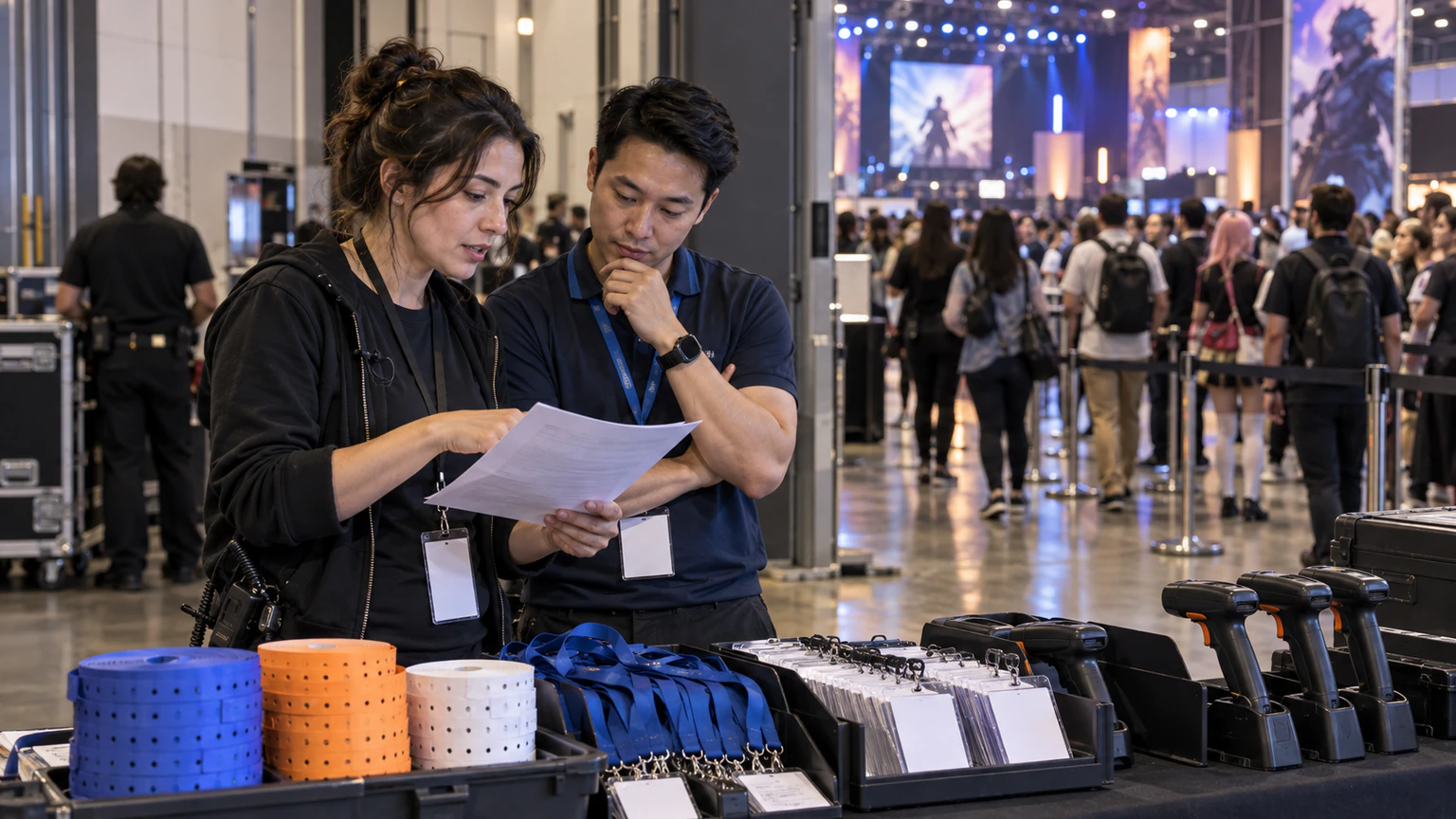
Awards become very physical on event day. Check-in, seating, stage management, AV cues, escorting finalists, sponsor recognition, and live announcements all depend on clean information.
That means the awards workflow should support the people actually running the event, not just the people administering submissions beforehand.
Where organizers usually lose control
The biggest breakdown usually happens in the handoff between program administration and event delivery.
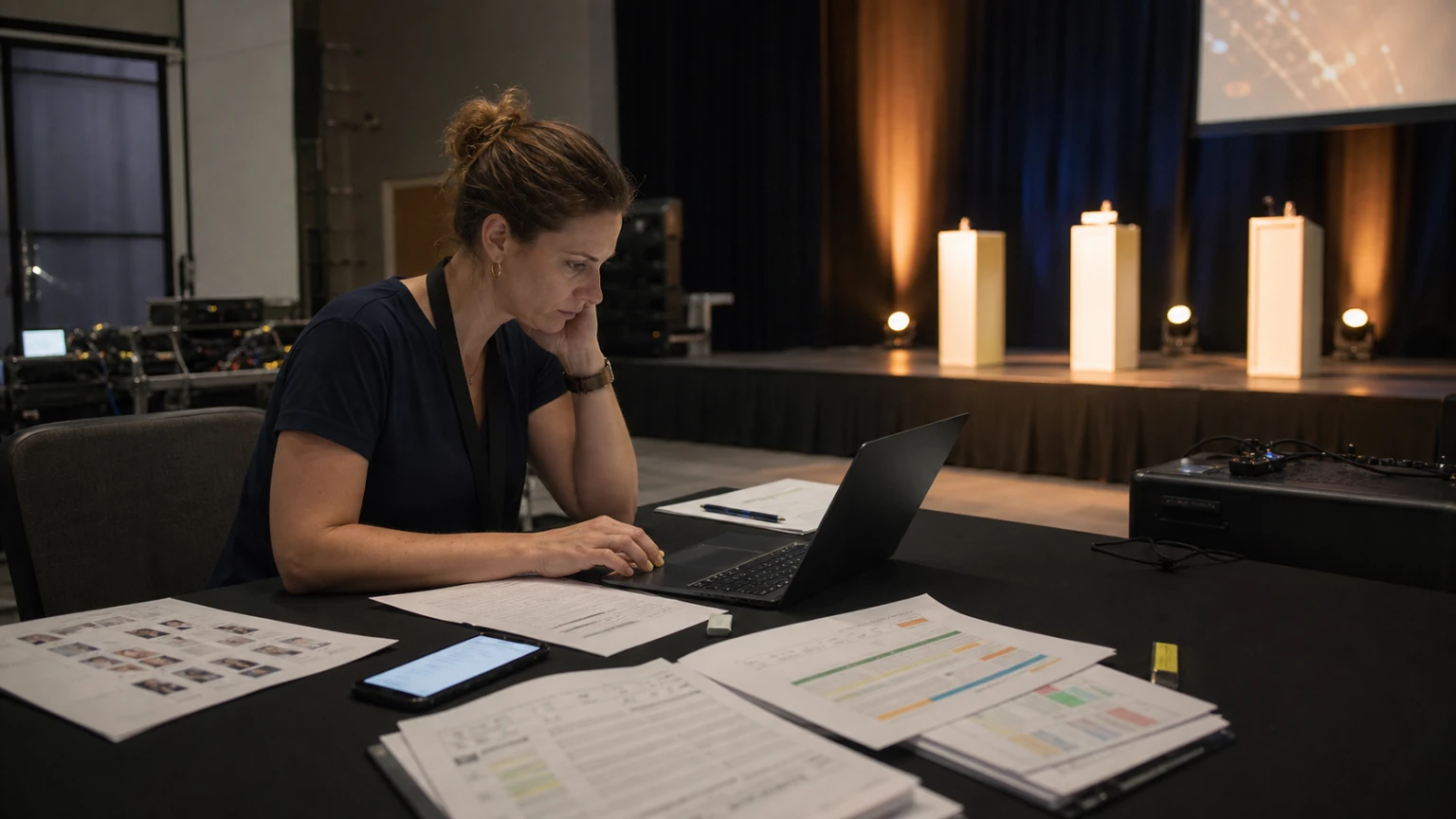
Early in the process, the awards team is focused on categories, criteria, entries, and judging. Later, the event team is focused on agenda, app content, participant access, ceremony flow, and guest experience.
If those teams are working from different systems and different deadlines, the event app becomes the last place to be updated instead of the main place attendees rely on.
That creates issues such as:
- finalists added too late to appear properly in the mobile agenda
- biographies and award category details missing or inconsistent
- judges, nominees, and guests managed in separate contact lists
- ceremony timing changes not reflected across staff-facing materials
- sponsor tie-ins around the awards handled manually
What to evaluate before integrating awards into an event app
Organizers do not need to overcomplicate this. Start with workflow questions, not feature wish lists.
Ask these first
- Is the awards program part of the event, or adjacent to it?
- Which participant roles overlap with the main attendee list?
- What status changes matter operationally, for example applicant, finalist, winner, judge, presenter, guest?
- What information needs to be public, private, or staff-only?
- When does the event app need awards data to be accurate?
- Who owns the final source of truth close to event day?
These questions sound basic, but they often reveal whether the awards process can be coordinated cleanly or whether it will create another disconnected workflow.
A practical operating model for event teams
If you are planning an awards-linked event experience, a simple model works well.
Before submissions open
- define categories, roles, and status stages clearly
- agree what data the event team will need later
- decide which deadlines drive app and agenda updates
During judging and finalist selection
- keep role changes controlled and documented
- prepare finalist content early, including names, bios, assets, and ceremony needs
- separate confidential judging workflow from public event content
Before the live event
- reconcile finalists, presenters, judges, VIPs, and guests against the main participant records
- confirm ceremony timing in the agenda and staff plans
- test communications and check-in assumptions for each awards-related group
After the ceremony
- update winners quickly and consistently
- align post-event content, recognition, and reporting
- review where manual handoffs created avoidable risk
What this signals for the market
The reported launch of YAP! is a reminder that awards management is important enough to justify dedicated attention. That does not automatically mean every event app should try to become a full awards system.
It does mean organizers should expect tighter connections between program workflows and event delivery.
As events become more content-rich and role-heavy, awards programs are less likely to stay neatly outside the main attendee experience. Finalists need visibility. judges need coordination. ceremony moments need to fit the agenda. sponsors want cleaner activation around recognized excellence.
In other words, awards are not only a recognition format. They are an event operations workflow.
Final thought
For teams planning event apps, the opportunity is not to bolt awards on at the end. It is to decide early how awards data, participant roles, communications, and ceremony operations will connect.
That is usually where the real value sits: less manual reconciliation, fewer last-minute surprises, and a better experience for finalists, judges, guests, and attendees alike.