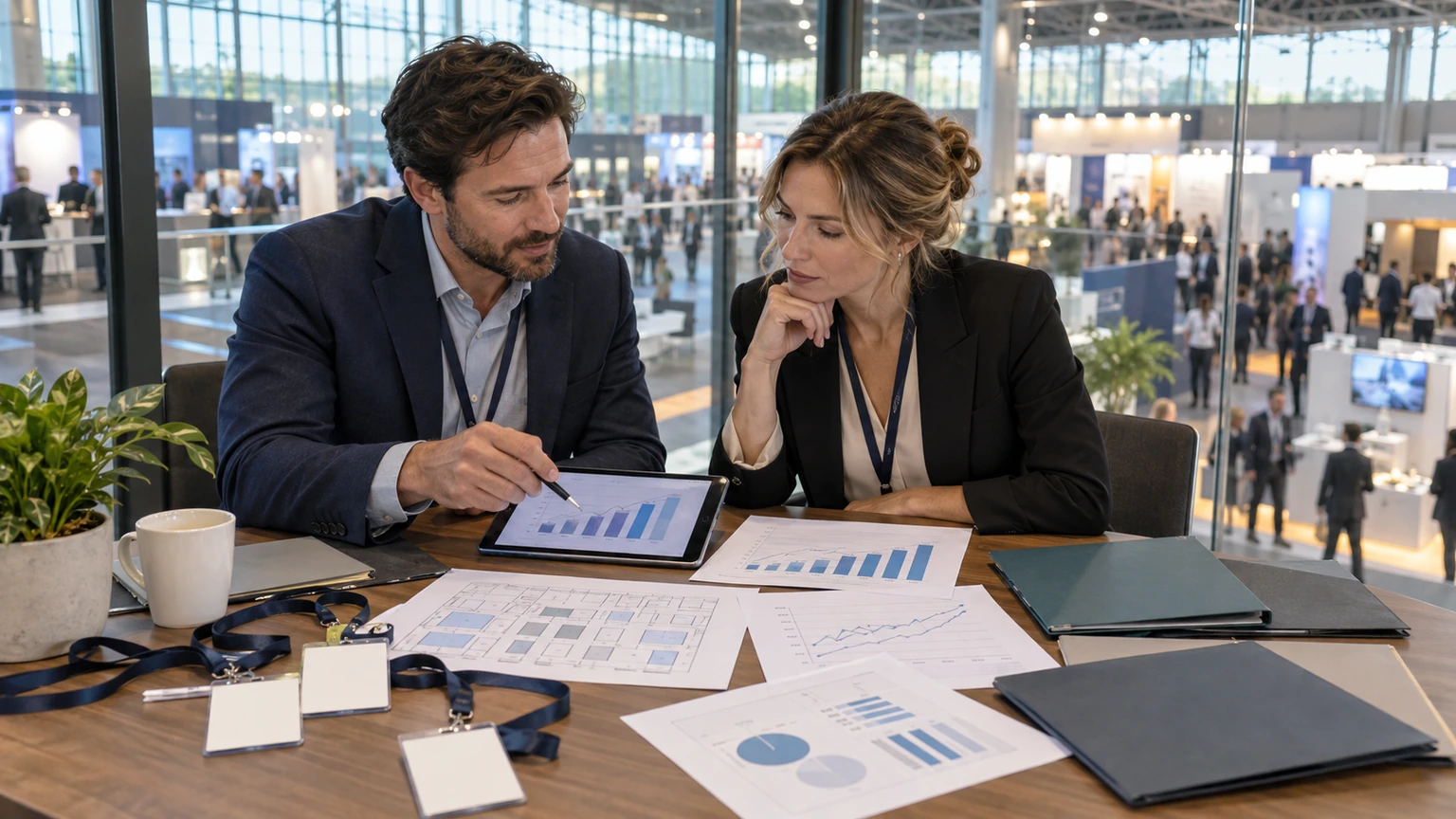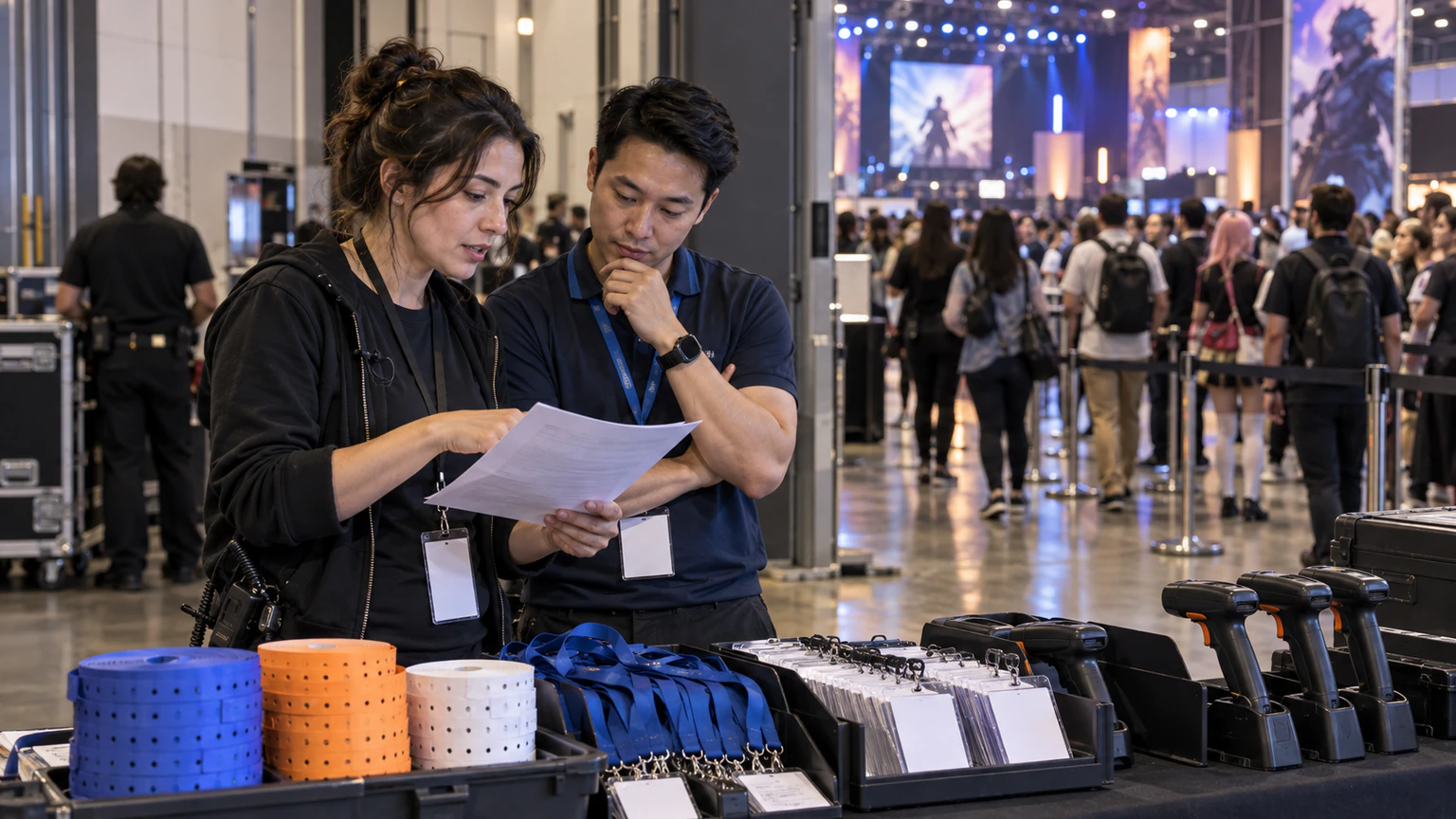
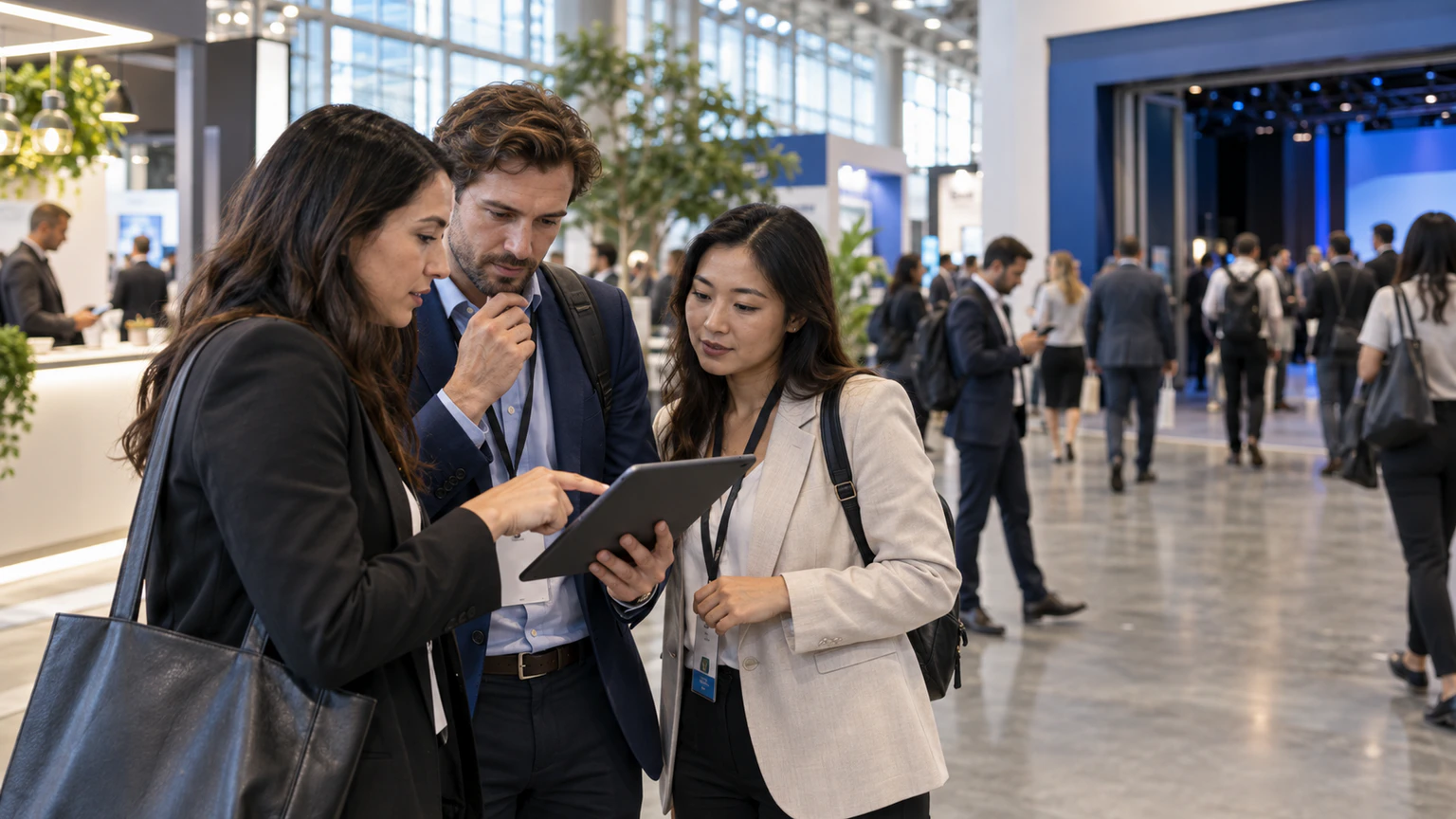
Public reporting that press registration is open for IBTM World 2026 is a small but useful signal for event teams. It suggests planning windows are moving, stakeholder outreach is starting, and exhibitors, organizers, and partners should already be thinking about attendance conversion.
For trade shows, attendance does not improve because an app exists. It improves when the app helps people do the jobs they already came to do: find relevant exhibitors, build a workable agenda, book meetings, and navigate the event without friction.
That is the practical lens for IBTM World 2026. Event apps are most useful when they support attendance before the show, participation during it, and follow-up after it.
An event app does not create demand on its own. It makes intent easier to act on.
Why this matters
Large trade shows operate on limited time, fragmented attention, and uneven attendee motivation. Some people arrive with full diaries. Others register with good intentions, then fail to plan enough value into their trip.
That gap matters because attendance is not only about registrations. It is about:
- who actually turns up
- how prepared they are when they arrive
- whether they find the right people quickly
- how much business value they create on site
- whether they feel the event was worth returning to
For organizers, this affects perceived event quality. For exhibitors, it affects ROI. For attendees, it shapes whether the show feels productive or overwhelming.
What the public signal actually suggests
From the source material alone, the clearest confirmed point is simple: registration activity tied to IBTM World 2026 is already in motion.
That does not prove future attendance performance, nor does it tell us how the event will run operationally. But it does create a sensible prompt for planning.
When registration windows open or related audience groups begin engaging, event teams should assume three things:
- attention is available now, not only close to show dates
- agenda-building behavior can be shaped early
- meeting and discovery workflows should not wait until the floor opens
At major exhibitions, late planning usually reduces attendee value long before it reduces attendee numbers.
Do not treat the app as a directory only
A common mistake at trade shows is to use the event app as a passive information container. That usually means venue maps, exhibitor listings, and basic schedules are present, but the app does little to help people make decisions.
If the goal is better attendance outcomes, the app should support action, not only reference.
In practical terms, that means helping users answer questions like:
- which exhibitors are most relevant to me
- which sessions fit my objectives
- who should I try to meet before I travel
- what can I realistically fit into one day
- where should I be next
The more quickly the app helps users build a useful plan, the more likely attendance converts into meaningful participation.
What organizers should do before IBTM World 2026
The strongest attendance gains usually come before the event opens.
1. Push agenda-building early
Many attendees register before they commit mentally to a schedule. That creates drop-off risk.
Organizers should use app-led prompts to encourage early action:
- save sessions to a personal agenda
- bookmark exhibitors
- request meetings in advance
- review featured themes or zones
- set reminders for important time slots
These are simple actions, but they matter. A person with a structured plan is more likely to attend, arrive prepared, and stay engaged.
2. Improve exhibitor discoverability
Trade show attendees rarely search in the same way organizers publish listings. They often think by sector, buyer need, destination, service type, or partnership goal.
That means exhibitor profiles should be easy to scan and easy to compare. If discoverability is weak, attendance still happens, but value extraction slows down.
Organizers should review whether exhibitors can be found through practical pathways such as:
- category or vertical filters
- regional relevance
- product or service themes
- new exhibitor visibility
- saved favorites and shortlist building
3. Use reminders around deadlines and milestones
Attendance often improves when people feel momentum. Reminder campaigns tied to real planning moments can help, especially when linked to the app.
Useful prompts may include:
- session announcements
- meeting booking opening dates
- travel planning milestones
- exhibitor updates
- networking schedule releases
The point is not to send more messages. It is to give people a reason to take the next planning step.
What exhibitors should tighten now
Exhibitors also play a direct role in attendance quality. A strong event app setup can increase the likelihood that the right people notice them before the show.
1. Complete profiles properly
Thin or inconsistent exhibitor information reduces discoverability. If attendees cannot understand what a company offers in a few seconds, they move on.
Exhibitors should make sure their app presence explains:
- who they help
- what they offer
- which market segments they focus on
- what attendees can discuss at the stand
- whether meetings can be booked in advance
2. Prepare for meeting intent, not only booth traffic
At a show like IBTM World, many valuable conversations should be planned before arrival. Exhibitors that wait for walk-up traffic may still perform well, but they leave too much to chance.
A better approach is to identify priority attendee types and prepare a booking and follow-up rhythm around them.
- define ideal meeting profiles
- assign meeting owners internally
- keep calendars realistic
- prepare short qualification questions
- capture next steps clearly after each discussion
3. Make the booth easier to convert digitally
The app should support the stand, not compete with it. If a visitor discovers an exhibitor in the app, the next action should be obvious: visit, save, message, or request time.
Exhibitors should think in operational terms. What is the easiest next step for a time-pressed attendee?
How event apps can reduce attendance friction on site
Once the show is live, attendance quality depends heavily on navigation, timing, and clarity.
People miss value at trade shows for familiar reasons:
- they cannot find the next priority quickly enough
- they overbook themselves
- they forget saved items
- they spend too much time deciding where to go
- they fail to turn interest into meetings
An app can help reduce this friction if it is used as a live operating tool.
Useful on-site app jobs include:
- guiding people to saved exhibitors and sessions
- surfacing timely reminders
- supporting live agenda adjustments
- helping attendees recover from schedule changes
- making networking opportunities easier to spot
These functions sound basic, but at a busy exhibition they can protect a large share of attendee value.
What organizers should measure, carefully
If the aim is to improve attendance outcomes, simple registration totals are not enough.
Organizers should look for signals that show whether app use is helping participation become more intentional. For example:
- agenda saves before the event
- bookmarked exhibitors or sessions
- meeting requests or confirmations
- repeat app engagement close to the event date
- on-site usage around navigation and schedules
These do not automatically prove success, but they are more useful than relying only on download counts.
A downloaded app with little planning activity may signal weak attendee readiness. A smaller but highly engaged user base may signal better attendance quality.
A simple attendance playbook for trade show teams
If organizers and exhibitors want a practical model for IBTM World 2026, a simple sequence works well:
- open discovery early
- prompt attendees to build agendas
- encourage meeting requests before travel
- make exhibitor profiles genuinely useful
- send milestone-based reminders, not generic blasts
- support live schedule changes on site
- capture follow-up signals after the show
This approach does not require turning the app into everything. It requires using it to remove the most common planning and participation obstacles.
Stay evidence-aware
It is worth staying disciplined here. Public reporting about registration activity is a useful timing signal, not a full operations dataset.
Event teams should avoid claiming that any one app tactic guarantees higher attendance. The more realistic conclusion is that structured digital planning tends to improve the odds that registered participants become active participants.
That is especially true for international exhibitions where schedules are busy, discovery is complex, and attendees need help turning broad interest into a workable event plan.
What this means for event teams
For IBTM World 2026, the opportunity is not simply to promote attendance harder. It is to make attendance easier to activate.
Organizers should focus on agenda-building, discoverability, and early meeting behavior. Exhibitors should focus on profile quality, booking readiness, and clear next steps. Both sides should treat the app as an operational layer that supports real event decisions.
Used well, event apps can help trade show attendance become more deliberate, more measurable, and more valuable for everyone involved.