Specialised event formats are becoming more visible, especially where business content and live culture overlap.
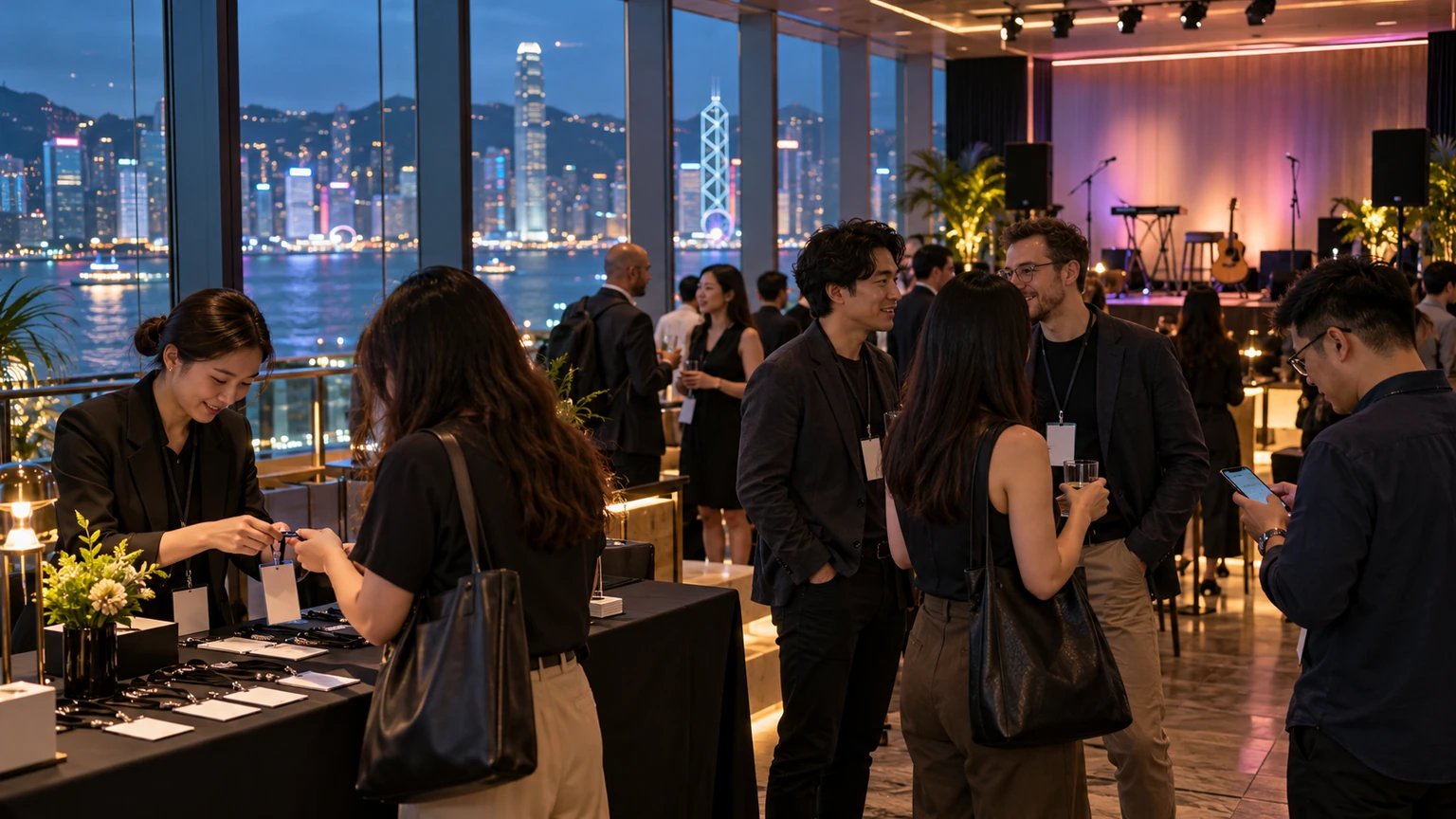
A useful public signal here is the debut of AME, a new electronic music conference in Hong Kong scheduled for November. On its own, that is a narrow fact. But it matters because it suggests continued interest in niche conferences that combine professional networking, cultural relevance, and live audience experience.
For conference organisers, festival teams, and venue operators, the practical question is not whether every event should become a hybrid of music and tech. It is how to recognise when a more specialised format has real operational potential, and how to support it without creating unnecessary complexity.
Emerging event formats usually succeed not because they are novel, but because they serve a clear community with a format that matches how that community actually wants to gather.
Why this matters for event operations
Niche events can be attractive because they often create stronger identity and clearer audience fit than broader conference models. A general industry event may promise reach. A focused format can promise relevance.
That has direct operational implications. When an event sits between conference, culture, and live experience, organisers may need to balance:
- content programming and speaker logistics
- community-building and networking design
- audience flow between formal and informal moments
- venue suitability for both discussion and experience-led activity
- clear communication about what kind of event attendees are actually joining
If those pieces do not align, the format can feel confused. If they do align, the event can feel distinctive and highly intentional.
What the public signal tells us, and what it does not
From the source idea provided, the confirmed signal is limited but useful: AME is a new electronic music conference set to debut in Hong Kong in November.
That is enough to support a grounded discussion about the rise of specialised event formats, particularly those that connect industry conversation with audience experience.
What this does not confirm on its own is:
- the full programme design or operating model of the event
- which event technology tools are being used
- attendance projections or ticket performance
- how much of the format is conference, showcase, nightlife, or networking
- what measurable outcomes organisers or partners expect
That distinction matters. The signal supports the trend discussion. It does not justify assuming one exact format, stack, or result.
Evidence-aware planning means using market signals to inform decisions, not to overstate certainty about how a specific event will perform.
Why music and tech is a meaningful event combination
Music and tech are not automatically a perfect pairing, but they often share audiences, business questions, and partnership opportunities. That is especially true when events focus on topics such as creator ecosystems, live production, fan engagement, digital distribution, community platforms, or cultural entrepreneurship.
For organisers, this kind of crossover can create useful advantages:
- it gives content a stronger cultural pull
- it broadens sponsor possibilities across adjacent sectors
- it creates more natural reasons for people to stay beyond formal sessions
- it can turn networking from a side activity into a core part of the format
But it also raises the delivery bar. Audience expectations tend to be higher when the event promises both insight and atmosphere.
What makes an emerging format operationally credible
1. A clearly defined audience
The strongest specialised events know exactly who they are for. That may be artists, promoters, labels, startups, venue professionals, marketers, creators, investors, or a mix of related communities.
If the audience definition is too broad, messaging becomes vague and programme design usually follows. Teams should be able to explain, in plain terms, who the core attendee is and why this event is useful to them.
2. A format that matches attendee behaviour
A niche conference should not copy a standard trade-show agenda if the community prefers a different rhythm. Some audiences respond well to short talks, hosted networking, workshops, showcases, and social settings that feel less formal.
The key operational question is simple: does the structure fit the way this audience learns, meets, and spends time on site?
3. Strong transitions between content and experience
Formats that combine conference elements with live moments often fail in the gaps between them. A good session can be undermined by poor movement, unclear timing, or weak handoff into the next activity.
Organisers should map transition points carefully, including:
- how people move from registration to content
- how networking begins after sessions end
- how staff communicate changes in schedule or access
- how different crowd densities are managed throughout the day and evening
4. A venue that supports the real use case
Not every venue that works for a conference works for a music-adjacent event, and not every live venue works for professional programming. The space needs to support both the practical and emotional goals of the event.
That means organisers should assess room acoustics, circulation, check-in layout, networking areas, backstage needs, loading requirements, and how well the environment supports sponsor and partner activity.
Where event apps can help most in these formats
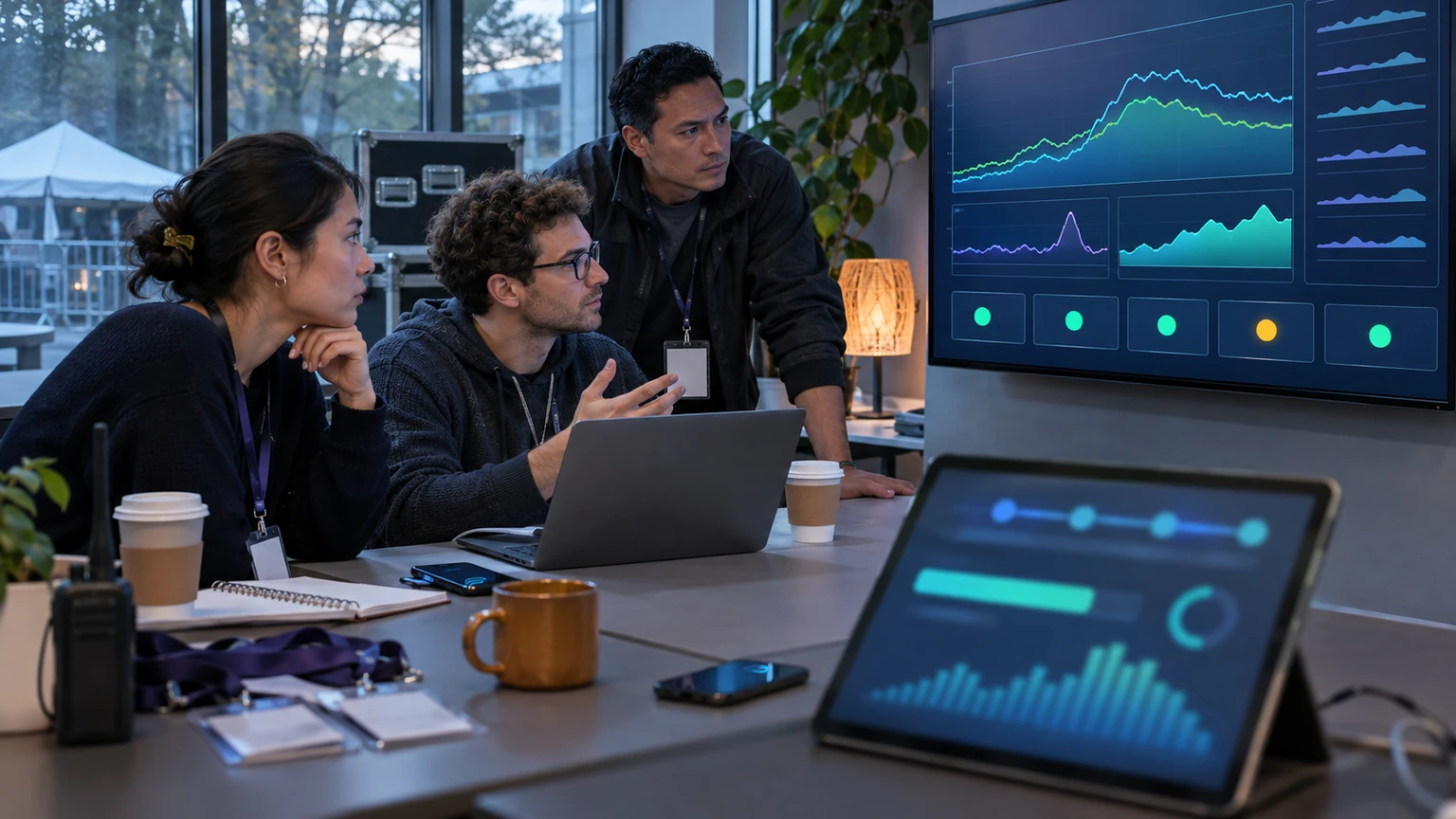
For emerging formats, digital tools are often most useful when they reduce ambiguity. Attendees need to understand what is happening, where it is happening, and which parts of the experience are most relevant to them.
In practical terms, event apps can be most helpful when they support:
- agenda clarity across different session and experience types
- easy discovery by interest, role, or format
- real-time updates if timing or room details change
- networking visibility for attendees who want to connect intentionally
- clear access information for ticketed, limited, or invitation-only moments
The goal is not to digitise everything. It is to make a potentially complex event feel easier to navigate.
Operational questions organisers should answer early
Teams working on specialised conference formats should get specific early, especially when the event combines multiple audience expectations.
- Is the event primarily educational, commercial, community-led, or experience-led?
- Which audience segment matters most if trade-offs appear?
- What does a successful attendee journey look like from arrival to departure?
- Where are the likely pinch points: entry, discovery, timing, access, or crowd movement?
- How will sponsors fit naturally into the experience without disrupting it?
- What needs to feel structured, and what should feel open?
Answering these questions early helps teams avoid a common problem: trying to serve too many event identities at once.
Where teams often get this wrong
One common mistake is confusing a cool concept with a workable format. Music and tech can sound compelling in promotion, but the live experience only works when the audience journey is deliberate.
Another mistake is underestimating how differently people behave across conference and live-event settings. A delegate moving between panels and meetings has different needs from a guest arriving mainly for performances, showcases, or social energy.
Teams also get into trouble when they rely on brand aesthetics more than operational basics. Strong identity helps. Clear schedules, access rules, staffing, signage, and communication still matter more.
A practical planning model for niche crossover events
A simple way to evaluate an emerging format is to plan it through four lenses:
- Audience: who is coming, and what are they trying to achieve?
- Format: which mix of talks, meetings, showcases, and social moments best serves that audience?
- Flow: how will people move through the experience without confusion or friction?
- Support: what staffing, venue setup, and digital communication are needed to keep the event usable in real time?
If one of those four areas is weak, the whole format tends to feel less credible on site.
What good looks like
A well-run niche event does not try to feel big for the sake of it. It feels coherent. Attendees understand why they are there, how to navigate the programme, who they are likely to meet, and what kind of value the event is designed to create.
For organisers, that usually means success looks like:
- clear audience fit rather than broad but shallow appeal
- programme choices that reflect real community interests
- smooth movement between content, networking, and live moments
- communications that reduce uncertainty before and during the event
- partners and sponsors integrated in ways that feel relevant
What this means for event teams
The debut of a new electronic music conference in Hong Kong is not proof that every crossover format will work. It is, however, a useful sign that specialised, experience-led conferences continue to attract interest.
For event teams, the practical takeaway is clear: niche formats can be strong opportunities when they are built around a defined community and supported by disciplined operations.
In other words, emerging event formats are not just a creative question. They are an execution question.