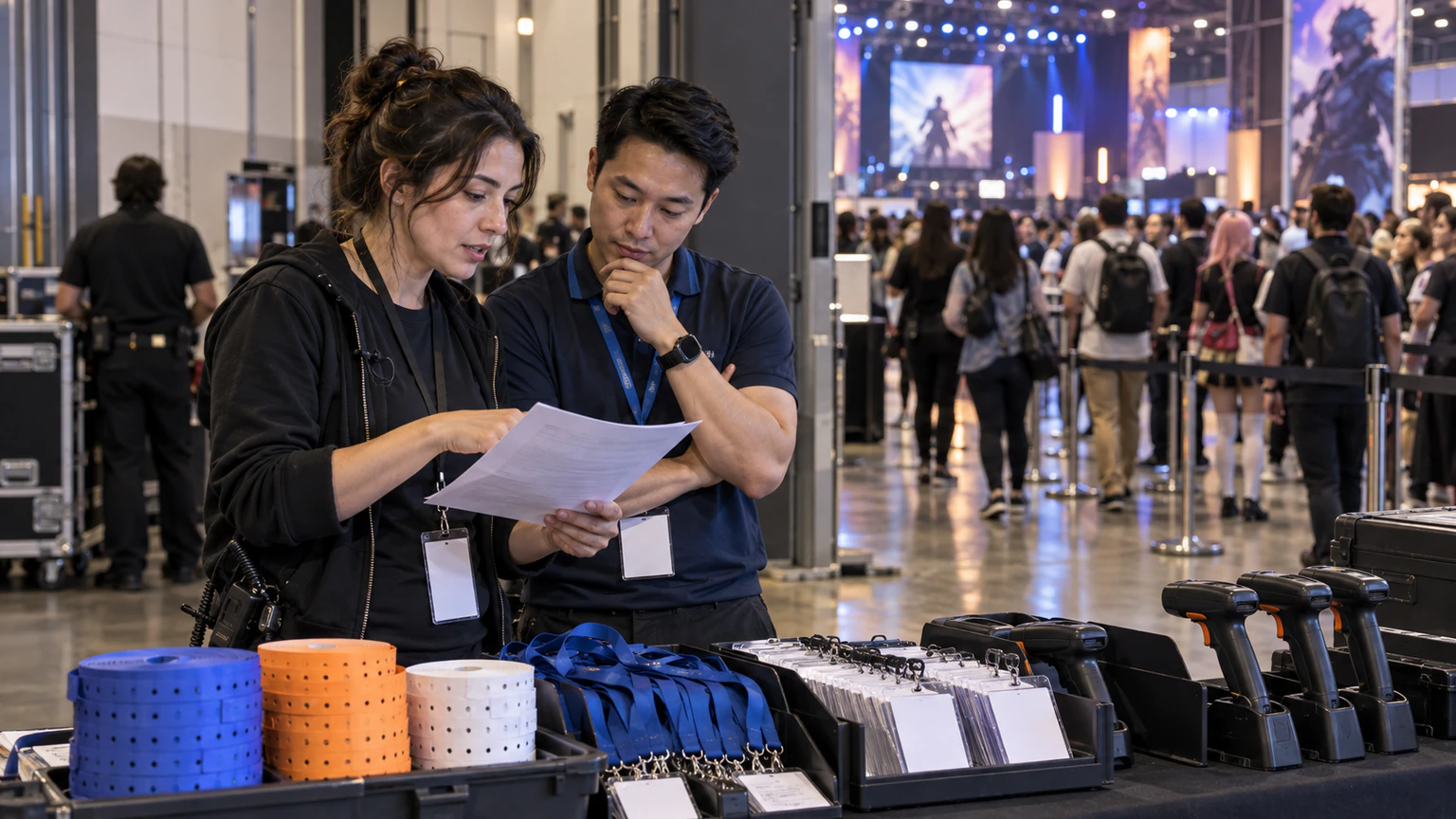

A reported event tech roundup from BizBash points to two categories worth watching closely: exhibitor lead capture and business travel tools.
For event organizers, expo managers, and operations teams, that matters because both areas sit close to the attendee experience. One affects how exhibitors measure value on-site. The other affects how smoothly people arrive, move, and stay focused on the event itself.
The point is not that every new tool deserves a place in the stack. It is that these categories solve visible operational problems when they are implemented well.
In event operations, new technology is useful only when it removes friction that staff, exhibitors, or attendees already feel.
For Bewitt readers, the practical question is simple: what should organizers look for when lead capture and travel tools start changing, and how do you evaluate them without getting distracted by launch headlines?
Why these two categories matter now
Lead capture and travel logistics can look like separate topics, but both influence event value.
Exhibitors want clearer proof that booth traffic turned into meaningful conversations. Attendees, speakers, buyers, and hosted guests want less hassle around travel and movement. Organizers sit in the middle, balancing sponsor expectations, attendee experience, and operational control.
That creates three immediate concerns:
- whether exhibitors can collect cleaner, more usable lead data
- whether travel coordination becomes easier for the people who need it most
- whether the event team gains efficiency without adding more systems to monitor
If a tool improves one of those outcomes, it is worth attention. If it adds complexity without reducing manual work, it is probably not.
What better lead capture can change for exhibition operations
Lead capture is often discussed as an exhibitor sales issue. It is also an event quality issue.
When exhibitors struggle to capture leads quickly, qualify conversations, or trust the data they take home, the event's commercial value becomes harder to defend. That can affect renewals, sponsor satisfaction, and the story sales teams tell after the show.
1. Faster capture at busy booths
Busy stands create pressure. Staff have only a short window to log a conversation before the next visitor arrives.
Better lead capture workflows may help exhibitors:
- record contacts more quickly
- reduce handwritten notes and delayed entry
- capture key context while the conversation is still fresh
- separate casual booth visitors from stronger prospects
For organizers, this matters because exhibitor ROI drops when booth teams leave with incomplete data and vague follow-up lists.
2. Cleaner qualification during the event
Not every lead is equal. One of the biggest practical gaps at exhibitions is the difference between footfall and qualified interest.
If lead capture tools help exhibitors tag or categorize interactions more clearly, post-event follow-up becomes more realistic. Teams can prioritize warm prospects instead of treating every scan the same way.
The real value of lead capture is not collecting more names. It is helping exhibitors leave with a clearer next action.
That distinction matters for organizers too. Exhibitors are more likely to see value in the event when the leads they take back are easier to interpret and act on.
3. Better post-event reporting
Exhibitors increasingly want evidence, not just traffic estimates. Tools that improve lead capture may also improve how exhibitors assess outcomes after the event.
Organizers should pay attention here because reporting quality often shapes:
- renewal conversations
- sponsor retention
- booth package discussions
- future pricing confidence
You do not need to promise that technology alone will prove ROI. But if it helps exhibitors leave with cleaner records and better reporting inputs, that is operationally useful.
What organizers should review before promoting lead capture tools
Even when a tool looks promising, organizers should review it through an operations lens.
Start with the basics:
- How easy is it for booth staff to use during a crowded show day?
- What training will exhibitors need before arrival?
- What happens if connectivity is weak or traffic peaks?
- How quickly can exhibitors access and act on what they collect?
- Will support requests land on the organizer's team during the event?
These questions matter more than feature lists. A tool can look impressive in a demo and still create confusion in a live hall.
Where business travel tools may help event operations
Business travel is easy to treat as a separate planning stream, especially when travel is handled by attendees, agencies, or hosted buyer teams. In practice, it shapes punctuality, stress levels, and day-one readiness.
That is why travel tools are relevant to event operators, even when the organizer is not directly managing every booking.
1. Reducing arrival friction for key groups
Some attendees can absorb minor travel friction. Others cannot. Speakers, hosted buyers, VIPs, executive guests, and staff often need tighter coordination.
Travel tools may be useful when they help teams manage journeys with fewer handoffs and less confusion around timing, changes, or priorities.
For event operations, that can affect:
- airport arrival planning
- hotel coordination
- speaker readiness
- hosted buyer schedules
- staff deployment on day one
Even small improvements here can reduce reactive work for the event team.
2. Better visibility into changes
Travel plans move. Flights change, arrivals shift, and high-priority guests alter schedules at the last minute.
Tools that improve visibility into these changes may help organizers respond faster, especially when transport, accreditation, meeting schedules, or hosted programs depend on timely arrivals.
This is less about automation for its own sake and more about reducing blind spots before they turn into on-site problems.
3. Supporting a smoother attendee experience
Travel friction often becomes event friction. Delayed arrivals create badge surges. Hotel confusion creates support load. Poorly timed transport disrupts attendance at meetings or sessions.
When travel tools improve clarity, the attendee feels the benefit long before they reach the venue. That can have an outsized effect on first impressions.
What to check before relying on travel-related tools
As with lead capture, organizers should stay practical.
Review tools based on operational usefulness:
- Which traveler groups actually need the workflow?
- What event processes depend on accurate travel timing?
- Who monitors changes and exceptions?
- How are updates shared with on-site teams?
- What is the fallback plan when travel data is incomplete or changes late?
If those answers are unclear, the tool may not yet be ready for meaningful operational use.
A simple evaluation framework for event teams
When new tools appear in categories like these, it helps to use a consistent review framework.
Ask five questions
- What problem does this solve?
Be specific. Slow booth follow-up? Poor lead quality? Travel visibility gaps? Speaker arrival risk? - Who benefits first?
Exhibitors, hosted buyers, speakers, sponsors, or the operations team may have different needs. - What manual work disappears?
If no manual work is removed, the value may be overstated. - What new support burden appears?
Many tools shift complexity onto the organizer during the event. - How will success be measured?
Faster follow-up, fewer support issues, better exhibitor feedback, or smoother arrival handling are clearer than general claims of innovation.
This keeps evaluation grounded in event delivery, not marketing language.
Keep expectations realistic
It is worth following new tools in exhibitor leads and travel logistics because both categories affect commercial outcomes and attendee experience. But organizers should stay disciplined.
A new tool will not fix weak exhibitor training, unclear sponsor objectives, poor arrival planning, or fragmented internal ownership. Technology works best when the operating model around it is already defined.
The strongest event tech decisions usually come from a simple test: does this make the event easier to run, easier to measure, or easier to experience?
Final thought
The BizBash roundup is a useful signal because it highlights two practical areas where event teams still deal with friction: capturing exhibitor value and managing travel-related complexity.
For Bewitt readers, the opportunity is not to chase every new release. It is to identify where better lead capture or smarter travel workflows could improve real event operations, then test those changes against the conditions of a live show.
If the tool helps exhibitors leave with better follow-up, or helps important attendees arrive with less disruption, it is worth serious attention.