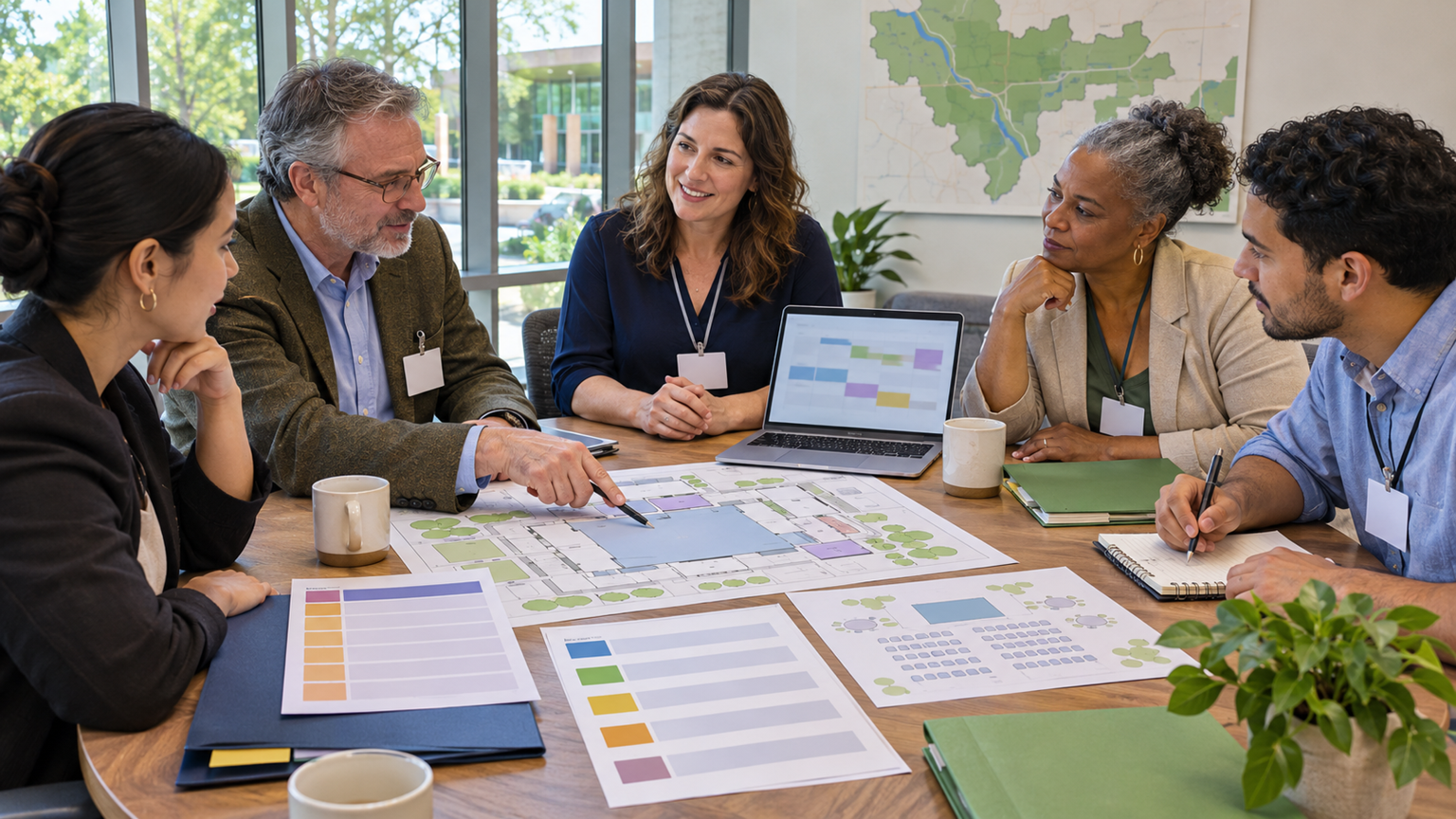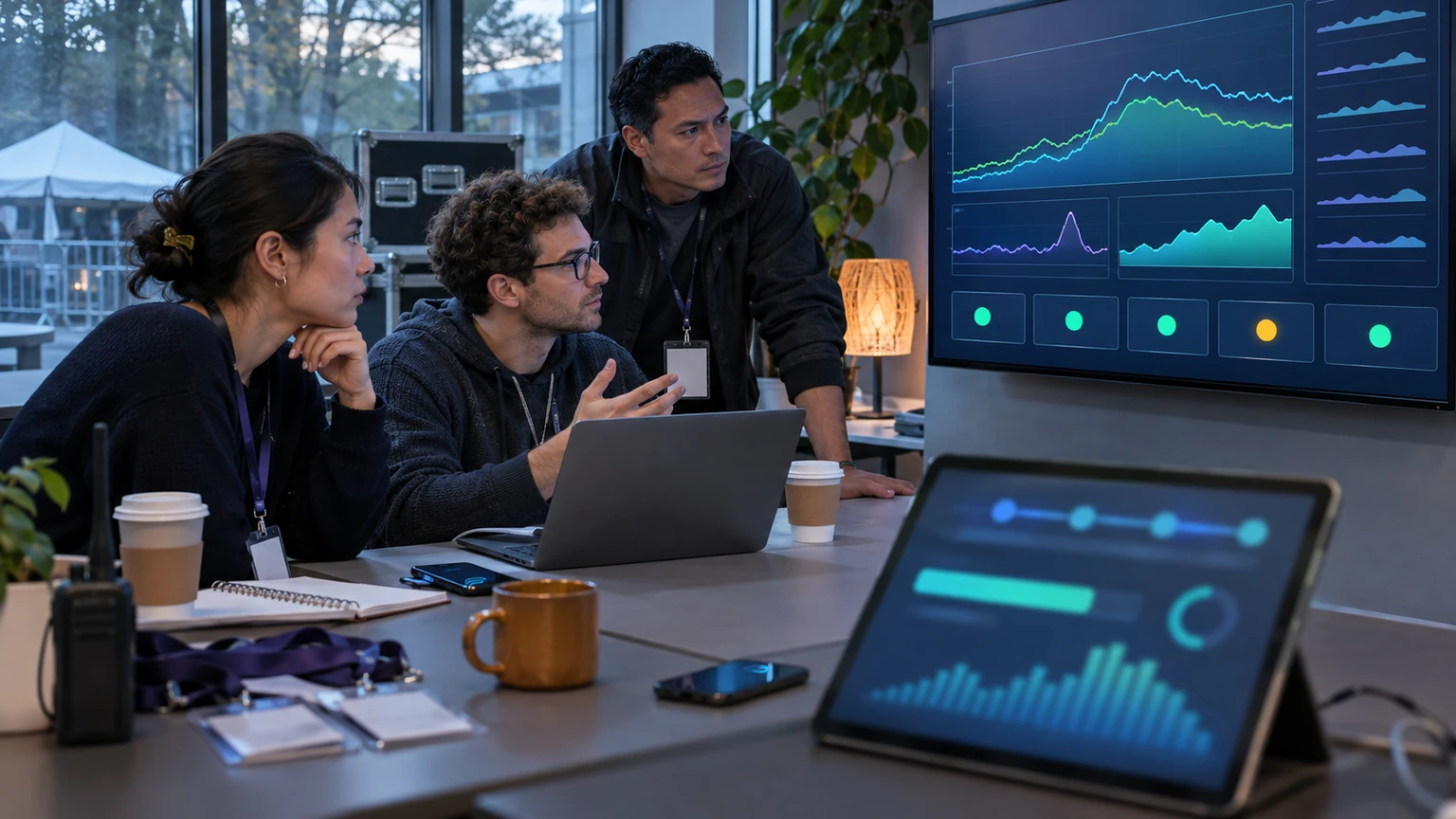
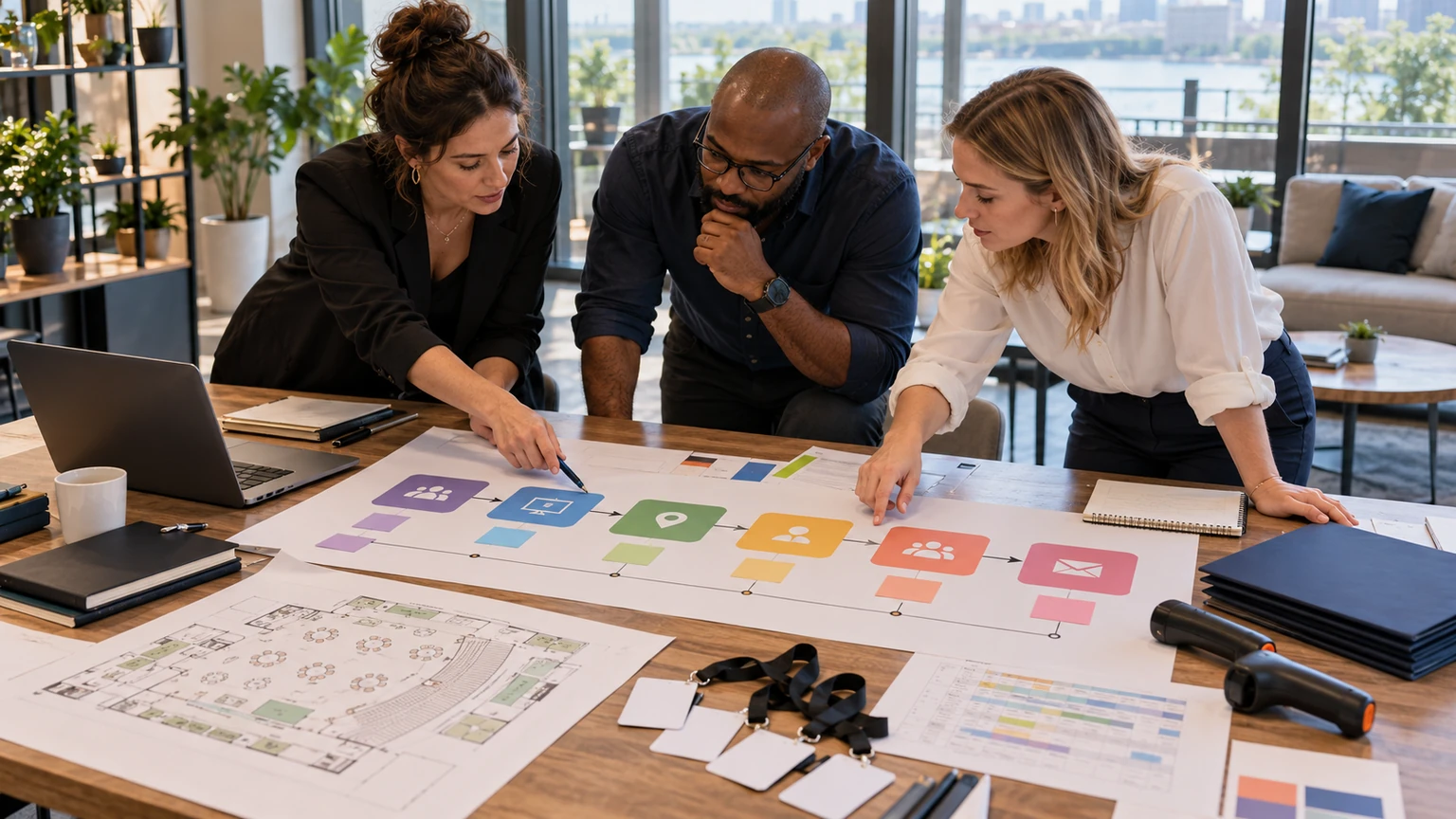
Event organisers are under steady pressure to offer more than a well-run agenda. Attendees now judge the full experience: discovery, booking, arrival, navigation, networking, support, content access, and follow-up.
A useful public signal behind this discussion is broader industry interest in moving from event production alone toward more complete end-to-end experiences. That matters because it reflects a real operational shift. Teams are being asked to connect more moving parts, not just add more features.
For organisers, agencies, and venue operators, the practical question is not whether technology belongs in the event model. It is how to map the right stack so each layer supports delivery instead of creating extra friction.
A strong event tech stack is not the one with the most tools. It is the one that supports the attendee journey clearly, with fewer gaps between teams, systems, and live decisions.
Why this matters for event operations
When events are managed through disconnected processes, the experience usually breaks down in predictable places. Registration data does not match check-in needs. Session updates do not reach attendees quickly enough. Sponsors want visibility that sits outside the main workflow. Support teams answer questions that should already be resolved in the system.
That creates operational drag in areas such as:
- pre-event communications
- ticketing and registration accuracy
- badge printing and arrival flow
- agenda publishing and change management
- networking and meeting logistics
- staff coordination on-site
- post-event follow-up and reporting
Mapping the stack properly helps teams decide what really needs to connect, what can stay manual, and where service partners matter as much as software.
What the public signal tells us, and what it does not
From the source idea provided, the confirmed signal is broad but useful: there is visible industry attention on upgrading event production into more complete end-to-end experiences.
That supports a grounded discussion about how organisers should think about the mix of technology and services required to deliver those experiences.
What this does not confirm on its own is:
- which exact platforms any specific organiser should buy
- whether one unified platform always works better than multiple connected tools
- which integrations are essential for every event format
- what measurable results any named supplier has already achieved
- whether all events need the same stack depth
That distinction matters. The signal supports the topic. It does not justify claiming one standard architecture for every conference, expo, hosted event, or venue-led programme.
Evidence-aware planning starts with actual delivery needs, then works backwards into systems, ownership, and process.
What an end-to-end event stack actually includes
In practical terms, an end-to-end event stack is the combination of systems, workflows, and service support used across the full event lifecycle.
That usually spans five layers:
1. Demand and conversion
- event website or landing pages
- registration or ticketing flow
- promo codes, invite logic, or audience segmentation
- confirmation and pre-event communications
2. Attendee data and access
- attendee records
- badge and check-in workflows
- access rules or ticket classes
- changes, cancellations, and transfers
3. Content and experience delivery
- agenda and speaker publishing
- session updates
- maps, wayfinding, or practical event information
- networking or meeting coordination
4. On-site operations
- staff coordination
- supplier communication
- help desk handling
- issue escalation and live updates
5. Post-event outcomes
- attendance reporting
- engagement review
- sponsor or exhibitor follow-up
- feedback and next-event remarketing
Not every event needs a complex setup in all five areas. But every event should know how these layers are being covered.
Start with the attendee journey, not the vendor list
The easiest mistake in stack planning is beginning with tools instead of moments.
Start by mapping the attendee journey from first awareness to post-event follow-up. Then identify the moments where operational quality matters most. For example:
- finding the event and understanding its value
- registering without confusion
- receiving clear reminders before arrival
- getting through entry quickly
- finding the right session, person, or booth
- handling last-minute changes without frustration
- leaving with a clear next step
Once those moments are clear, it becomes easier to define what the stack must support.
The core stack most organisers should evaluate
Registration and ticketing
This is often the first operational foundation. If registration is clumsy, the event starts with friction before the attendee even arrives.
Teams should review:
- how easily people can register
- what data needs to be collected, and why
- how confirmations and updates are sent
- how changes are managed close to event day
- how registration status links to on-site access
Check-in and badge operations
On-site arrival is where digital planning meets physical reality. A smooth check-in flow depends on data quality, staffing, equipment readiness, and fallback procedures.
Important questions include:
- Will guests arrive all at once or in waves?
- Is badge printing on-site or pre-produced?
- What happens if records are missing or duplicated?
- Who owns queue management and exception handling?
Agenda and content management
Session schedules, room changes, speaker updates, and content visibility need a reliable publishing process. The issue is not just where agenda data lives. It is how changes move cleanly to attendees and internal teams.
Event app or mobile experience
For many events, the mobile layer becomes the attendee's operating interface. But it only adds value if the information is current and useful.
At minimum, organisers should consider whether attendees need:
- schedule access
- personal agenda support
- venue information
- real-time updates
- networking or meeting visibility
On-site communication tools
Many delivery problems are not customer-facing at first. They begin with weak internal coordination. Staff, suppliers, venue contacts, and production teams need clear paths for updates and escalation.
This may involve platform-based workflows, shared operational channels, or controlled manual processes. The key question is whether live decisions reach the right people quickly enough.
Reporting and follow-up
Post-event value depends on what the team can actually see and use. Reporting should match event goals, not just whatever data happens to be available at the end.
Where service partners matter as much as technology
Event teams sometimes treat the stack as a software diagram. In practice, service delivery is part of the stack too.
That includes:
- registration support teams
- on-site staffing partners
- badge and print suppliers
- AV and production coordination
- venue operations contacts
- data and reporting support
A strong tool with weak operational ownership can still fail on event day. Likewise, a simpler tool can perform well if workflows, handoffs, and responsibilities are clear.
How to decide between one platform and several connected tools
There is no universal answer. Some events benefit from a more consolidated setup. Others need multiple specialist systems.
A practical way to decide is to test each option against four questions:
- Does it reduce manual rework?
- Does it improve data consistency across teams?
- Does it make live operations easier to manage?
- Does it create fewer failure points close to event day?
If a connected multi-tool setup answers those questions well, it may be the right fit. If it creates too many handoffs, the team may need a simpler model.
Where organisers should be careful
1. Too many tools for the event's real complexity
Not every event needs a broad stack. Smaller or repeatable formats may perform better with fewer systems and tighter process control.
2. Unclear ownership between departments
Marketing may own registration communications, operations may own check-in, content teams may own agenda changes, and agencies may manage parts of the attendee journey. If ownership is fragmented, the attendee still experiences it as one event.
3. Weak contingency planning
If internet access fails, staffing changes, queues build unexpectedly, or a content schedule shifts, the stack needs an operational fallback. That does not always mean extra software. Sometimes it means having a clear manual backup.
4. Buying for demos instead of workflows
Good demos can hide messy realities. Teams should test systems against real operational cases, including late speaker changes, ticket exceptions, duplicate records, sponsor requests, and peak arrival periods.
Operational questions to answer early
- What are the highest-pressure moments in the attendee journey?
- Which data points need to stay consistent across systems?
- What information must update in real time, and what can wait?
- Which workflows are customer-facing, and which are internal?
- Who owns each handoff before, during, and after the event?
- Where are manual workarounds acceptable, and where are they risky?
- What is the fallback plan if a critical workflow fails on-site?
A practical planning model for mapping the stack
A simple working model is to map the stack in this order:
- Define the event format and operating pressure points.
- Map the attendee journey from discovery to follow-up.
- List the workflows that must function cleanly for that journey to work.
- Assign ownership to each workflow.
- Identify which systems or partners support each one.
- Mark the handoffs where data, communication, or responsibility can break.
- Review what needs integration, what needs process, and what can stay simple.
This approach usually produces a more usable stack than starting from a wish list of features.
What good looks like
Good end-to-end event technology does not call attention to itself. It shows up as smoother attendee movement, faster answers, fewer duplicate tasks, cleaner updates, and better visibility for the team running the event.
In practical terms, good looks like this:
- registration data is reliable at check-in
- agenda updates reach the right channels quickly
- staff know where to escalate issues
- attendees can find what they need without unnecessary support requests
- sponsors, exhibitors, or partners receive a more organised experience
- the team can review outcomes without stitching together everything manually afterward
What this means for event teams
The move toward end-to-end event experiences does not mean every organiser needs a larger, more complex stack. It means every organiser should be more deliberate about the connection between attendee experience and operational design.
The best next step is usually not buying more technology. It is auditing the current journey, identifying the weak handoffs, and deciding where better systems, better services, or better ownership would make the biggest practical difference.
That is how event production starts to become a more complete event experience, not just in marketing language, but in real delivery.