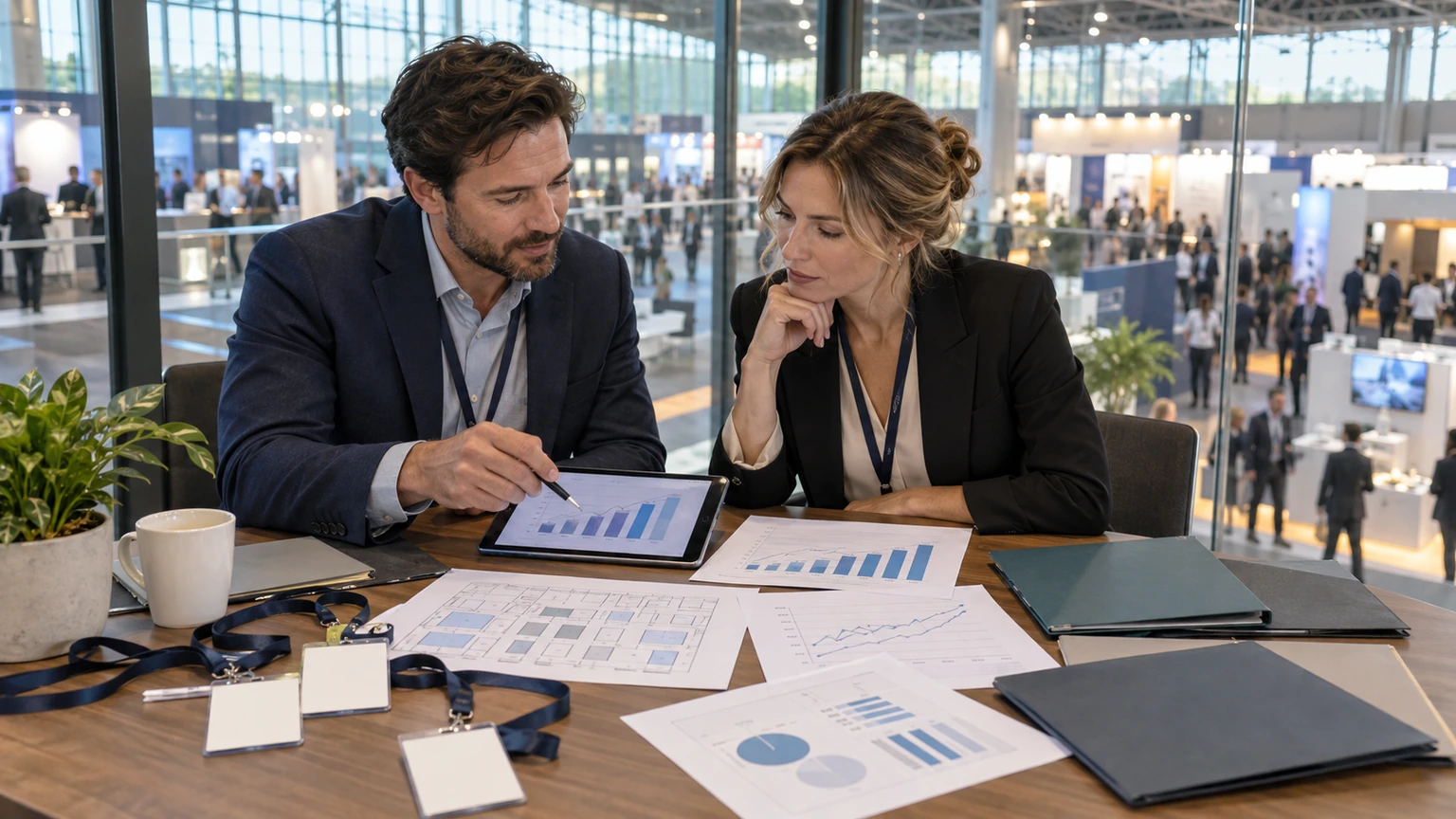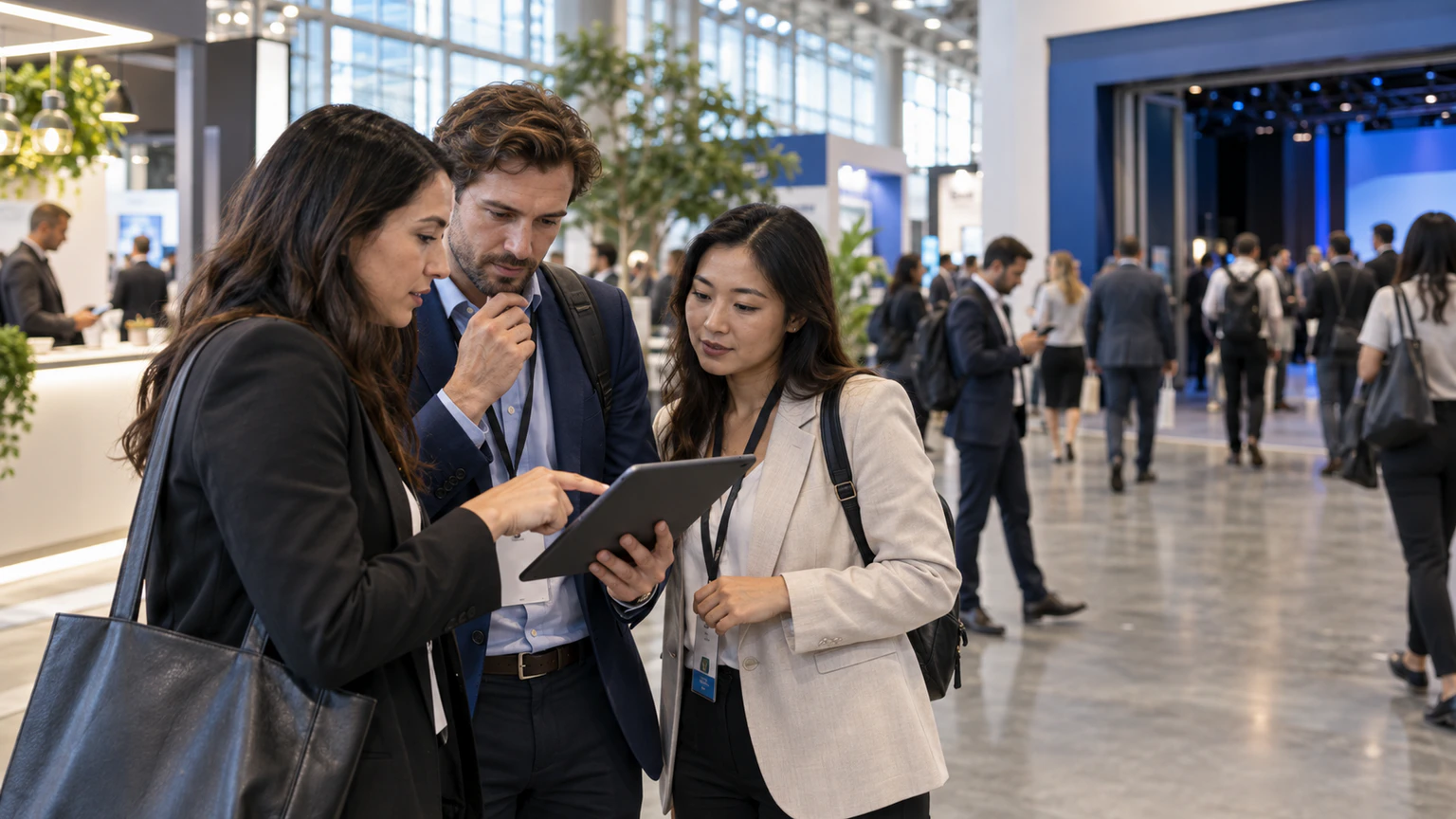
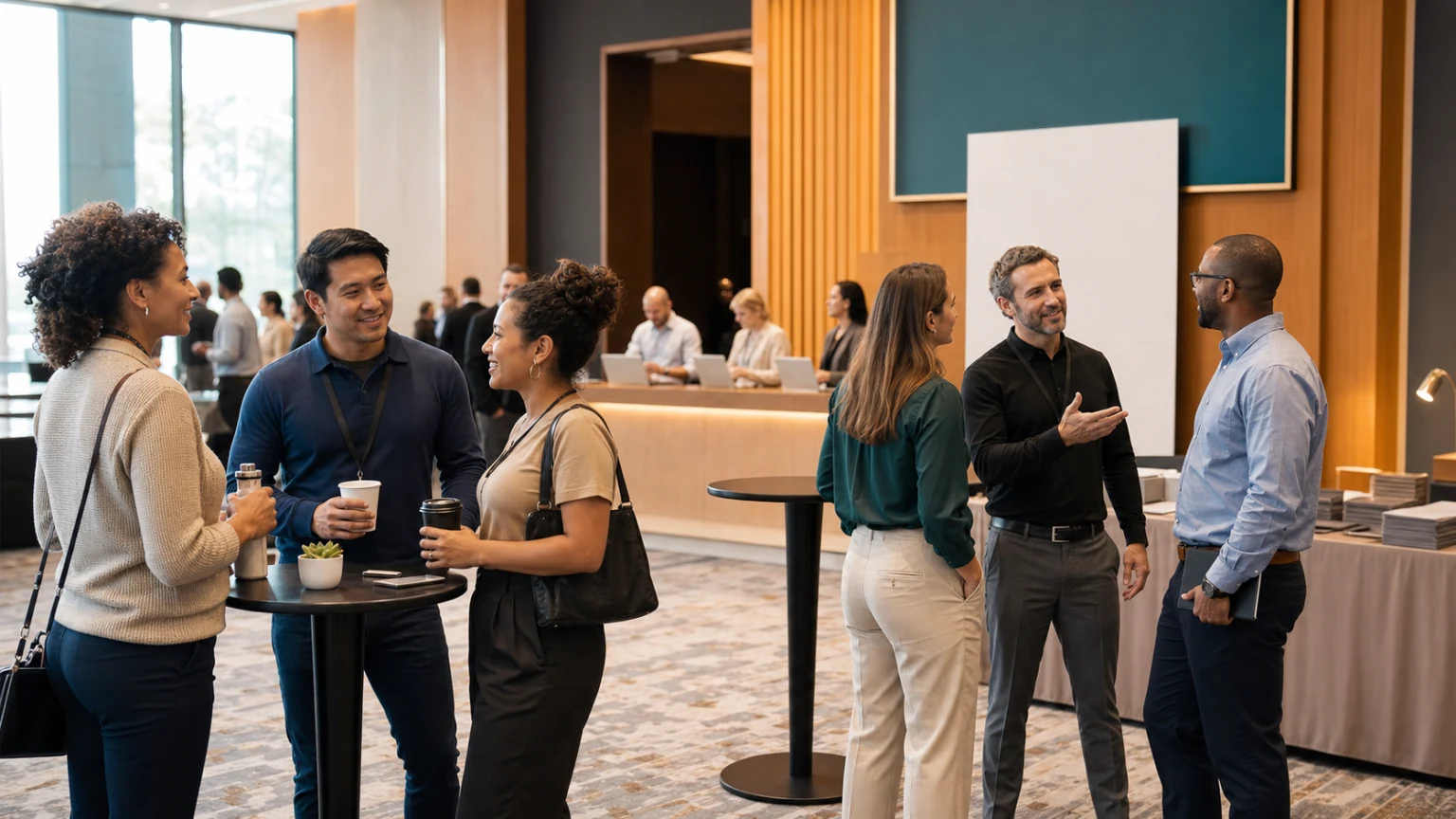
Networking is still one of the clearest reasons people attend live events.
The source behind this article points to a strong signal: 78% say in-person B2B conferences offer the best networking opportunities. For organizers, that is more than a marketing claim. It is an operations brief.
If attendees believe live conferences are where the best business relationships start, the event team has to make those interactions easier to find, easier to manage, and easier to continue after the event.
Networking ROI does not come from telling people to meet. It comes from designing the conditions that make useful meetings more likely.
That means thinking beyond lounges, drinks receptions, or a vague promise of “great connections.” Strong networking outcomes usually come from structure, timing, layout, and follow-through.
For Bewitt readers, the practical question is simple: how do you improve networking ROI in ways that are visible to attendees, sponsors, and event stakeholders?
Start by defining what networking ROI means for your event
Not every event needs the same kind of networking.
A founder event, a trade show, a hosted buyer program, and a member conference all create different expectations. Before adding more networking features, get clear on the outcome you want.
That might include:
- more qualified buyer-supplier meetings
- better peer-to-peer introductions
- stronger sponsor conversations
- higher value for first-time attendees
- more repeat participation next year
Once the objective is clear, networking becomes easier to plan operationally. You can decide which formats belong in the agenda, where they should sit, and how success should be reviewed afterwards.
Design networking into the agenda, not around it
One common problem is treating networking as filler between “main” content blocks. That usually leads to rushed conversations, crowded transitions, and uneven participation.
If networking matters, it needs protected time.
Useful approaches include:
- longer breaks between key sessions, especially after high-interest talks
- topic-based roundtables with clear themes
- hosted introductions for VIPs, buyers, sponsors, or new attendees
- small group meetups by industry, function, or challenge
- post-session discussion zones near relevant content tracks
The goal is not to force every interaction. It is to reduce randomness for attendees who came with a business purpose.
The best networking windows are usually the ones that feel intentional, not the ones left over after the agenda is finished.
Match the format to the audience
Different audiences network differently. Senior buyers may want pre-arranged meetings. Community-led audiences may prefer informal circles. Exhibitor-heavy events may need clearer prospecting structure.
Ask a basic planning question early: what kind of attendee is most likely to leave disappointed if networking is poorly designed?
That answer should shape the format.
For B2B conferences
- create industry or role-based meetups
- offer opt-in introductions around stated interests
- build enough time between content blocks for real conversations
For exhibitions
- separate prospect meetings from general expo browsing
- give exhibitors scheduled windows for qualified conversations
- avoid placing networking features in high-congestion aisles
For association or community events
- support first-timer introductions
- use moderated discussion tables
- make it easy for returning members to include new people
Networking ROI improves when the format fits the social reality of the room.
Use attendee flow to your advantage
Good networking design is partly a circulation issue.
If your best networking area is hard to find, too noisy, or placed in a traffic bottleneck, it will underperform. If the only break area is overloaded, conversations become brief and uncomfortable.
Review these practical points during floorplan planning:
- place networking zones near, but not inside, the busiest circulation paths
- avoid forcing quiet conversations next to loud activations or catering queues
- provide enough standing and seated options for different meeting styles
- use clear signage so attendees know where to go for specific types of meetings
- make sponsor, buyer, speaker, and attendee flows workable if they overlap
This is especially important at larger conferences, where people lose momentum quickly if they cannot find the right place to meet.
Help first-time attendees participate
Some attendees are natural networkers. Many are not.
First-timers often need more structure, clearer entry points, and reassurance that they are in the right place. If they spend the event trying to work out how to join conversations, your networking value drops.
Simple ways to help include:
- a first-time attendee meetup early in the event
- visible hosts or ambassadors in key networking areas
- discussion prompts at tables or themed zones
- clear labels for industry, role, or interest-based meetups
- agenda guidance on which sessions are best for meeting peers
These are small operational changes, but they can materially improve perceived value.
Make sponsor networking more useful, not more intrusive
Sponsors often buy events for access, but attendees do not want every networking moment to feel like a sales trap.
The answer is not to remove sponsors from networking. It is to place them in formats where the value exchange is clearer.
For example:
- sponsored roundtables on specific business problems
- appointment-based meeting areas
- industry discussion breakfasts with a clear topic
- expert clinics or consultative drop-in sessions
This works better than simply adding branding to a generic lounge and hoping useful conversations happen.
For organizers, it also gives sponsor teams a more concrete story about what they are buying: not just footfall, but structured engagement.
Protect networking time from operational friction
Networking is easy to damage with avoidable event-day problems.
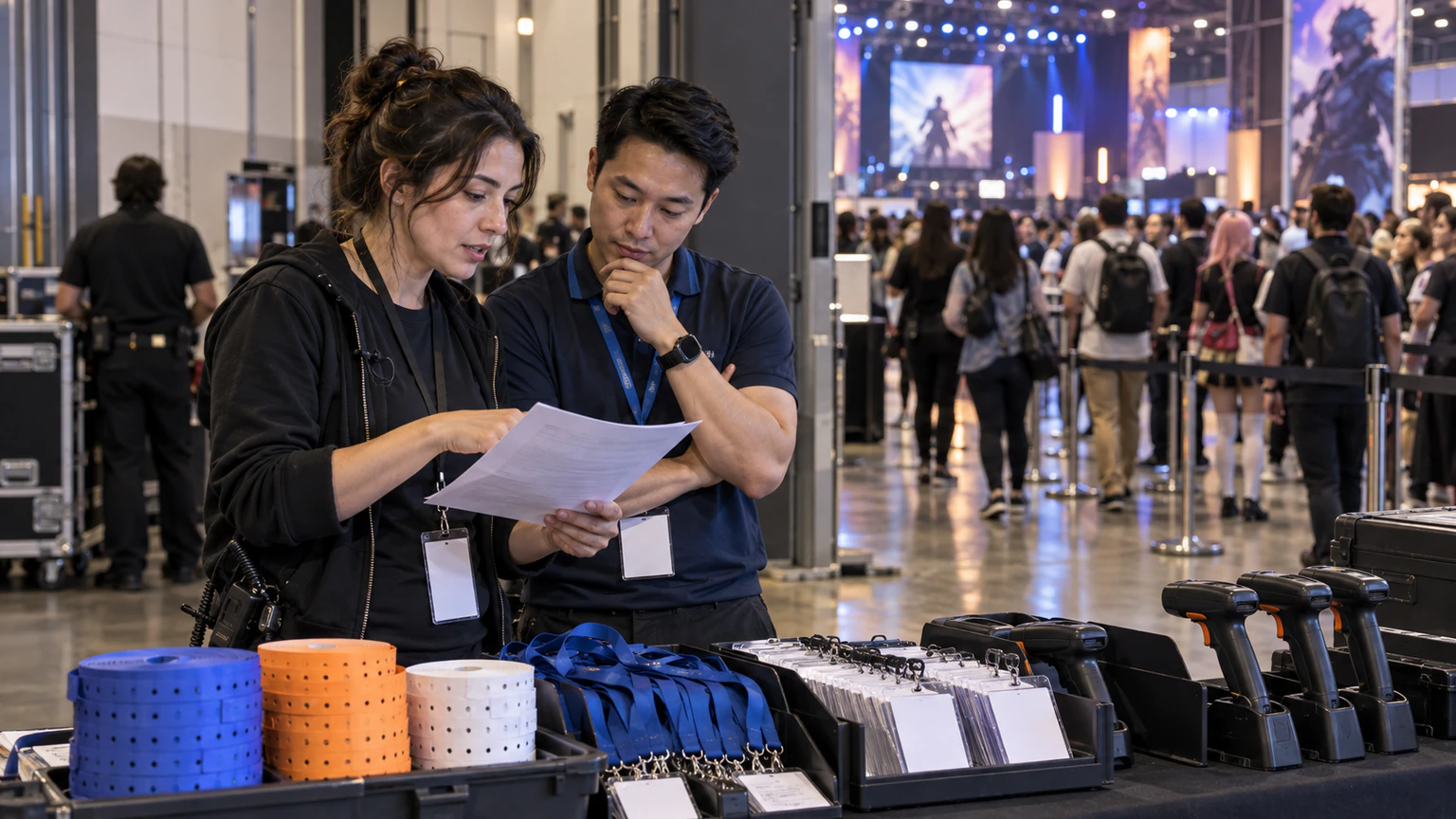
Long badge queues, delayed session starts, overcrowded catering points, poor wayfinding, and late room turns all eat into the time people expected to use for meetings.
If networking is a core value driver, protect it operationally:
- reduce registration delays at peak arrival times
- avoid over-compressing changeovers between sessions
- keep catering positioned so queues do not block meeting areas
- brief staff on where attendees should go for common networking formats
- build enough setup time for roundtables, hosted meetings, and discussion spaces
Many networking complaints are really operations complaints in disguise.
Give attendees a reason to follow up after the event
A good event connection is only potential value until something happens next.
That is why networking ROI should include post-event follow-through, not just on-site interaction.
Organizers can support that by making follow-up easier:
- remind attendees to capture notes after key meetings
- send post-event recaps by track, meetup, or networking format attended
- share attendee connection prompts while the event is still fresh
- help sponsors and hosted participants move quickly on agreed next steps
You are not responsible for every commercial outcome. But you can reduce the drop-off that happens when promising conversations disappear into busy inboxes.
Measure networking as an event outcome
If networking is a headline reason to attend, it deserves review like any other part of the event.
Post-event evaluation can include questions such as:
- Did attendees make the kinds of connections they came for?
- Which networking formats were most useful?
- Where did time pressure or congestion reduce quality?
- Did first-time attendees feel included?
- Did sponsors feel they had enough structured engagement?
Over time, this helps you move from generic feedback to practical design choices for the next edition.
You may also find that some of the highest-value improvements are not expensive. They are often schedule changes, clearer zoning, stronger hosting, or better pairing of people and formats.
A simple planning checklist for better networking ROI
- Define the networking outcome by audience type
- Protect time in the agenda for actual conversation
- Choose formats that match attendee behavior
- Place networking zones where people can comfortably meet
- Support first-timers with structure and visible guidance
- Give sponsors clearer, more useful engagement formats
- Remove event-day friction that steals meeting time
- Encourage follow-up while the event is still top of mind
- Review networking performance after the event
Final thought
The reported 78% figure is a useful reminder that live B2B events still hold a strong advantage when it comes to networking. But that advantage is not automatic.
Attendees may arrive ready to connect, but organizers still have to make those connections easier to start and easier to continue.
When event teams treat networking as a designed operational outcome, not just a happy byproduct of being in the same building, the ROI becomes much easier to see.