Big trade shows rarely succeed because of floor space alone.
They succeed when the venue, the destination, and the operating model all work together. Recent trade show coverage around Bangkok's IMPACT Exhibition Center, highlighting success with two major shows, is a useful reminder of that point.
For organizers, the practical question is not just, “Is the venue large?” It is, “Can this venue support a major exhibition repeatedly, without turning every edition into an operational rebuild?”
A venue becomes attractive to major trade shows when scale is matched by dependable execution.
Why this matters
Major trade shows are hard to move and even harder to grow.
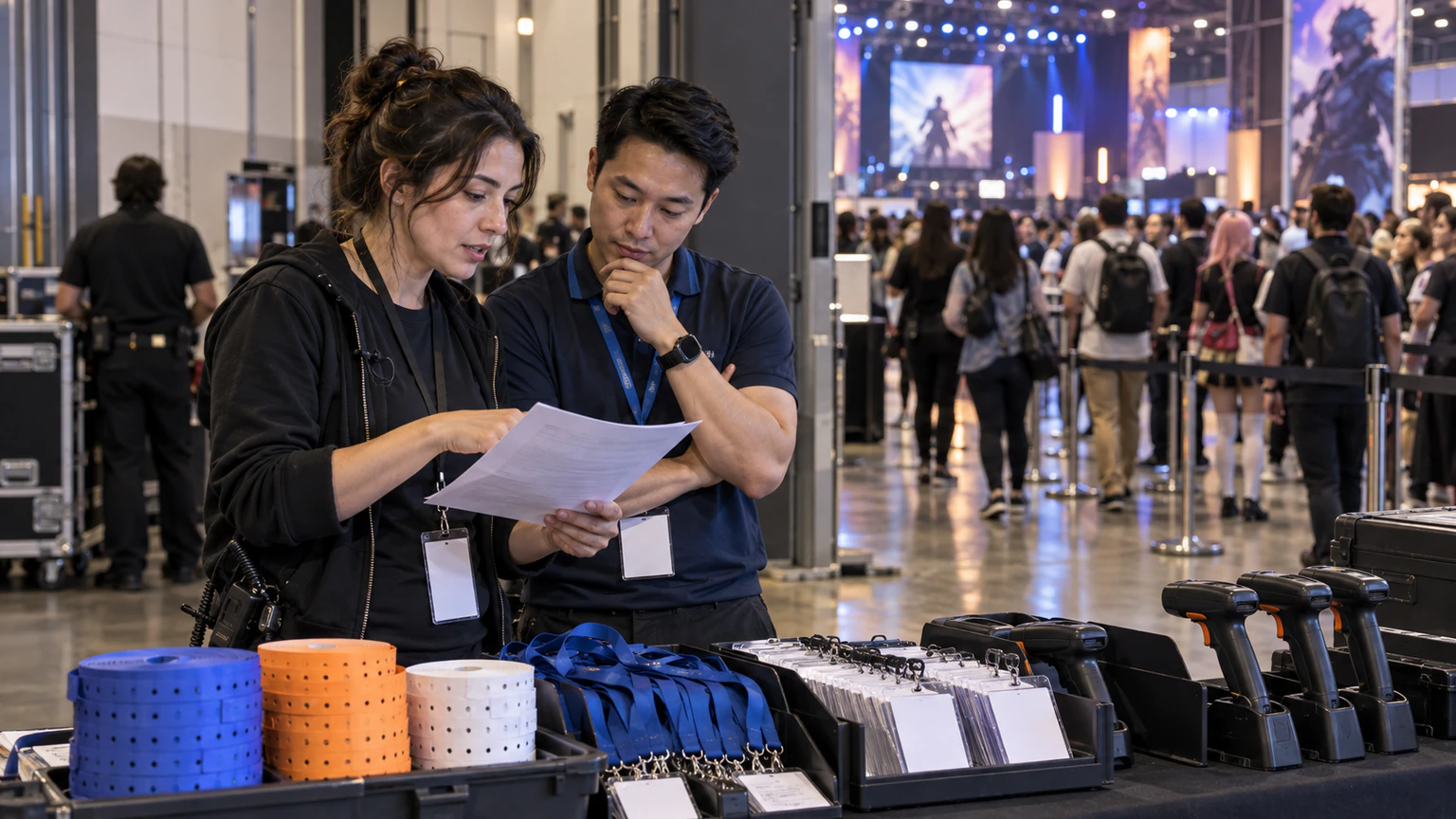
They involve exhibitor build schedules, freight handling, registration flow, security, contractor access, wayfinding, catering, transport, and often multiple audience types at once. If the venue cannot handle those demands smoothly, the event team pays for it in delays, complaints, and lost confidence.
That is why anchor events matter so much. When a venue proves it can host large shows successfully, it signals more than popularity. It suggests that the building, staff, and surrounding infrastructure can support complex event operations.
Size matters, but only to a point
Headline capacity gets attention first. It should not be the only test.
A major exhibition venue needs enough space for:
- show floor footprint
- registration and entry operations
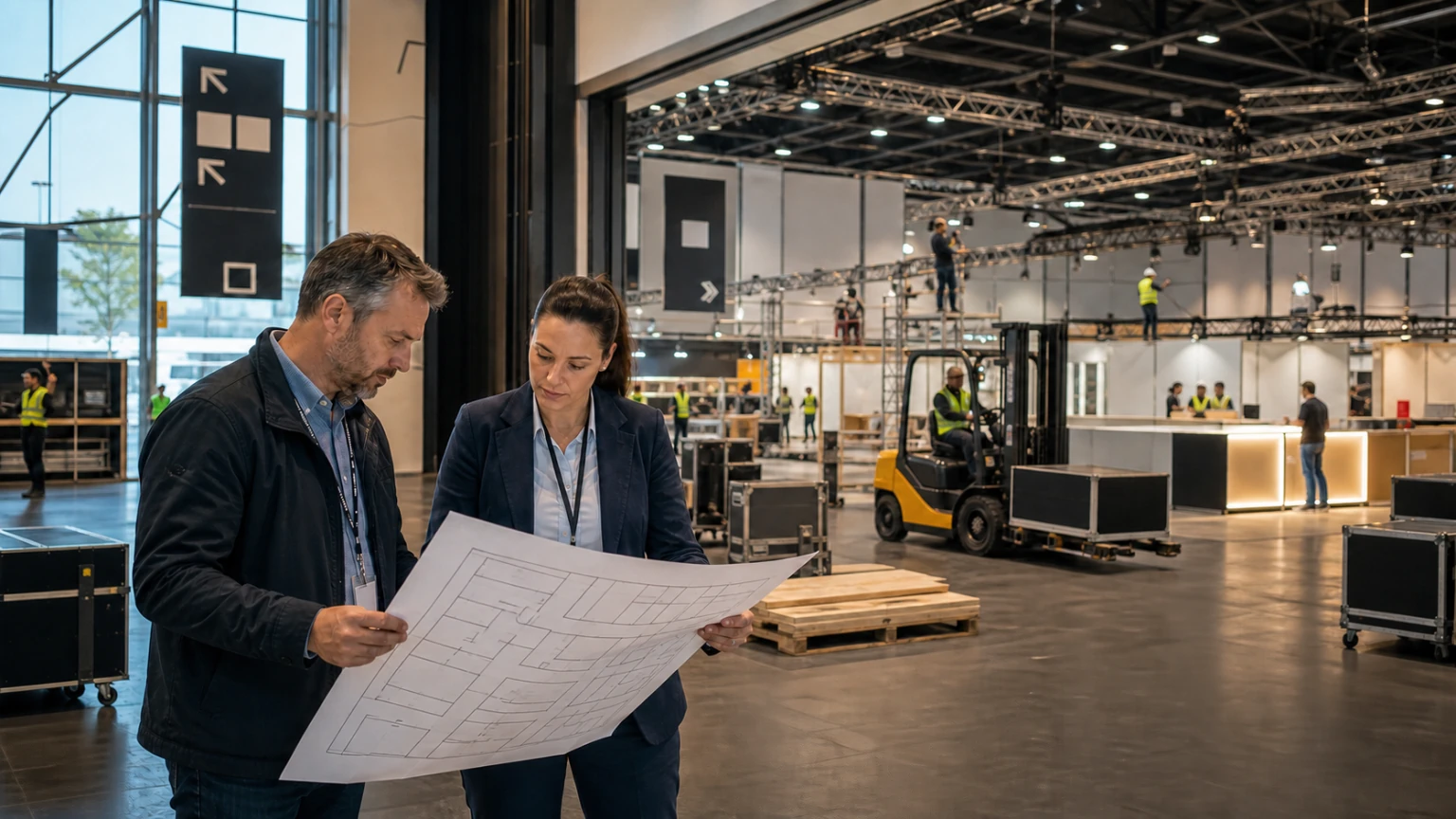
- marshalling, loading, and service access
- conference or seminar rooms, if the show has content programming
- circulation space that prevents crowding
- back-of-house work areas for staff, contractors, and exhibitors
What matters operationally is whether that space works in practice. A venue can be large on paper and still create friction if entry points are limited, hall transitions are awkward, or build-up and breakdown routes conflict with attendee flow.
Logistics often decide the winner
Exhibitors judge venues differently from casual visitors. They care about what it takes to get in, set up, operate, and get out again.
That makes logistics one of the strongest drivers of venue attractiveness.
Organizers usually need confidence in areas such as:
- loading dock access and scheduling
- move-in and move-out coordination
- freight routing
- contractor access rules
- equipment handling
- storage and service support
- clear timing windows for build and breakdown
If these systems are slow, unclear, or inconsistent, major shows become more expensive to deliver. That affects organizer margins and exhibitor satisfaction quickly.
The easier a venue is to work in operationally, the easier it becomes for a show to return and grow.
Destination strength still plays a major role
Trade shows do not operate in isolation from their city.
A venue is more attractive when the surrounding destination helps attendance rather than limiting it. That can include air access, hotel supply, local transport, business relevance, and the city's general ability to host large visitor volumes.
For international and regional events, destination appeal can influence:
- buyer and exhibitor willingness to travel
- sponsor interest
- delegate stay length
- co-located meetings and partner events
- the event's long-term growth potential
This is one reason successful venues often benefit from being tied to strong business travel markets. The venue may host the event, but the city helps complete the commercial case.
Repeatability is a serious competitive advantage
One successful edition is useful. A repeatable operating pattern is far more valuable.
Major trade shows want predictability. They want to know that visitor arrival, exhibitor servicing, staffing coordination, and hall operations can be delivered consistently year after year.
That repeatability helps with:
- sales to returning exhibitors
- planning timelines
- supplier coordination
- budget forecasting
- risk reduction
- longer-term event growth
From a venue perspective, this is where anchor events become important. A strong recurring show builds institutional knowledge on both sides. The organizer learns how to use the venue better. The venue team learns the event's pressure points. Operations become sharper over time.
What organizers should evaluate before choosing a venue
When comparing exhibition venues for a major trade show, teams should go beyond the sales deck.
A practical review should cover the following.
1. Attendee movement
How will people arrive, queue, enter, circulate, and exit?
Look closely at registration footprint, entrance distribution, congestion risk, and the distance between key halls or content areas.
2. Exhibitor operations
Can exhibitors access the venue efficiently during build-up, open days, and breakdown?
This includes service access, freight timing, contractor rules, and support for larger or more complex stands.
3. Hall flexibility
Can the venue support different show layouts, feature areas, seminar stages, hosted buyer zones, or sponsor activations without compromising flow?
Flexibility matters when the event is growing or evolving.
4. Venue team readiness
The building matters, but the operating team matters just as much.
Organizers should assess whether the venue team is experienced with high-volume trade show requirements and cross-functional coordination.
5. Destination fit
Is the city attractive and practical for the show's audience?
This should include travel access, accommodation range, and the destination's broader relevance to the industry the show serves.
What makes a venue more likely to win anchor shows
Attracting major trade shows is usually the result of several strengths working together, not one standout feature.
The venues that perform best often combine:
- credible exhibition scale
- efficient logistics
- staff experienced in large event operations
- good access for domestic and international visitors
- space for concurrent activity and supporting programs
- a destination that helps commercial participation
That combination makes the venue more than a rental space. It becomes part of the event's delivery model.
Common mistakes in venue assessment
Organizers can get into trouble when they overvalue image and undervalue operations.
Common mistakes include:
- focusing on square meters but not circulation
- assuming contractor logistics will “work themselves out”
- underestimating registration and entrance pressure
- treating destination appeal as separate from event economics
- ignoring whether the venue can support long-term event growth
These issues may not block an event from happening. But they can limit exhibitor satisfaction, reduce renewal confidence, and make each edition harder to run than it should be.
What this means for venue teams
If a venue wants to attract more major trade shows, the message to the market should be practical.
Organizers need evidence that the venue can deliver under pressure. That evidence usually comes from operational credibility: successful recurring events, smooth servicing of exhibitors, dependable hall management, and a destination story that supports attendance.
In other words, attractiveness is earned through execution.
Final thought
The best exhibition venues make big events feel manageable.
They give organizers room to scale, exhibitors room to operate, and attendees room to move. When a venue can do that consistently, it becomes far more attractive to major trade shows than any headline capacity figure can show on its own.