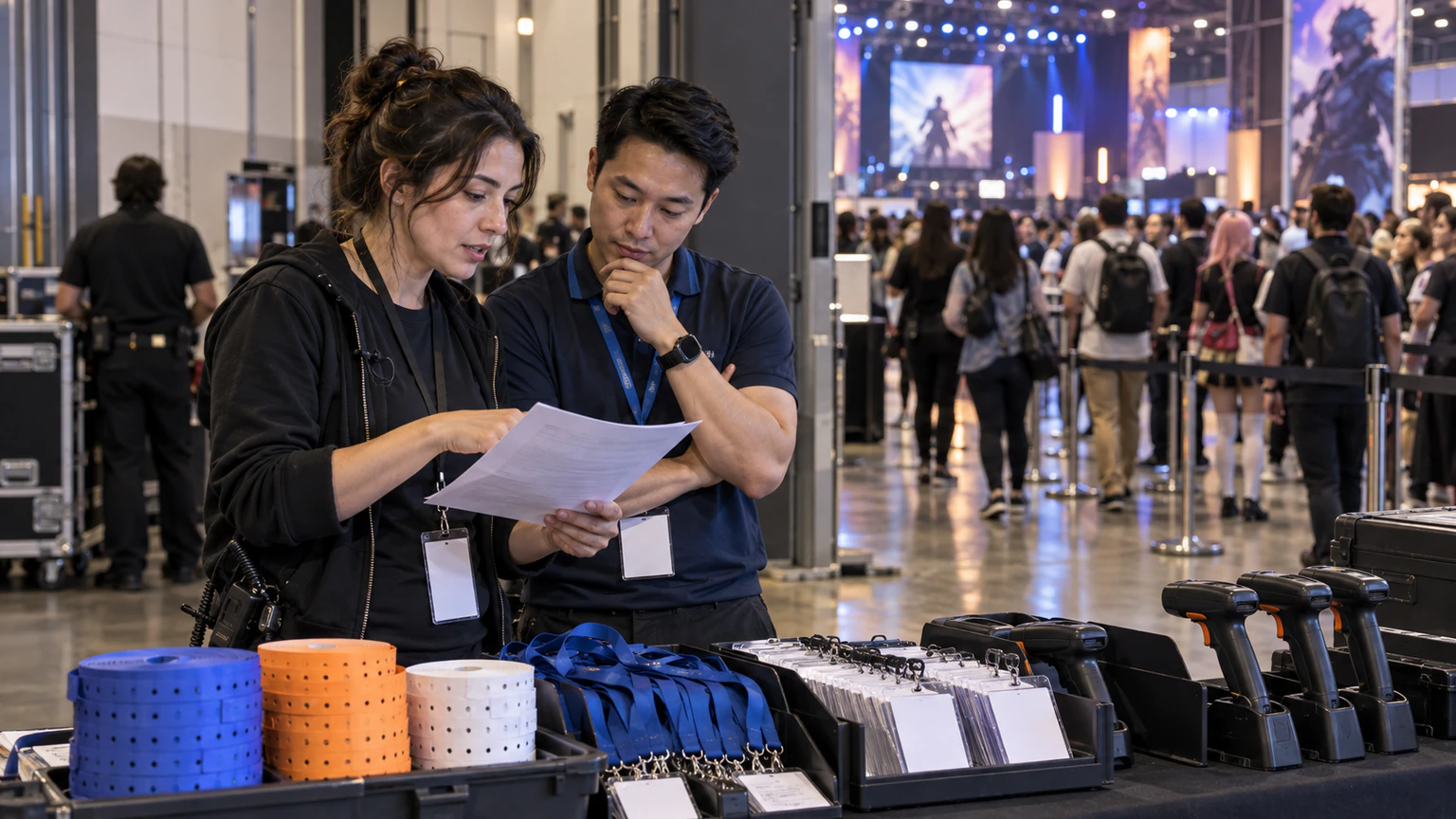
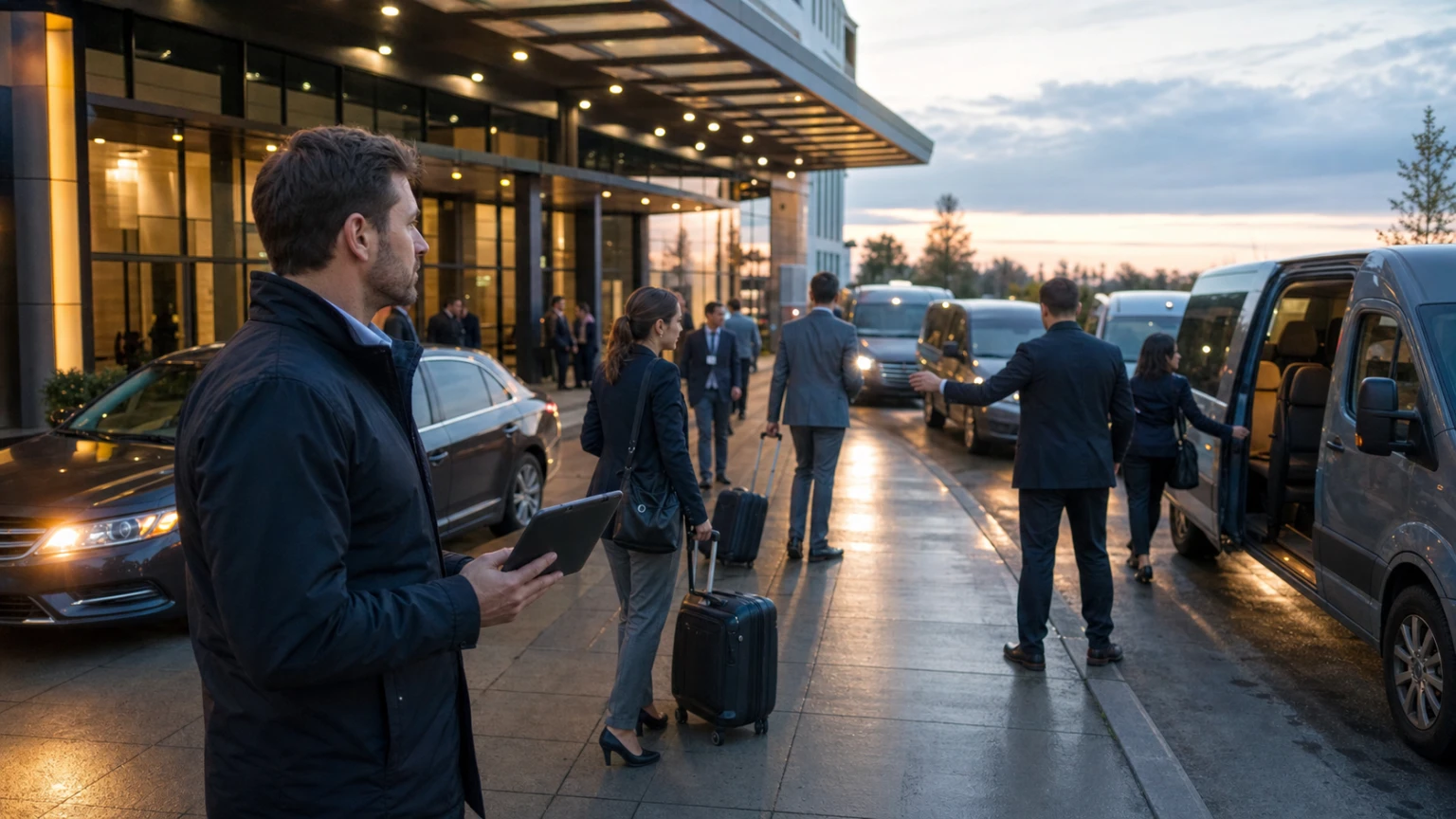
A reported announcement involving Cvent and miMeetings, described as an AI-driven event ground transportation solution, is worth the attention of event organizers and operations teams.
Transport planning is one of those event functions that becomes highly visible when it goes wrong. Guests wait too long, arrivals bunch up, VIP handling gets messy, schedules slip, and on-site teams spend the day reacting instead of running the event.
That is why this topic matters. Not because AI is automatically the answer, but because ground transport is full of moving parts, timing pressure, and repeated decisions that often depend on fragmented information.
For event operations, the value of AI is not that it sounds advanced. It is whether it helps teams move people more reliably, with less manual coordination and less day-of disruption.
For Bewitt readers, the practical question is simple: where could AI actually improve event transport planning, and what should teams test before trusting it?
Why transport planning matters more than many teams admit
Ground transportation is often treated as a logistics side stream. In practice, it affects the attendee experience from the first arrival.
If transport is poorly coordinated, the effects spread quickly across the event:
- registration peaks become harder to manage
- session start times are disrupted
- speaker and VIP arrivals become risky
- staff spend more time answering location and timing questions
- venues face uneven arrival waves
- post-event departures become stressful and slow
This gets more difficult when events involve airports, multiple hotels, off-site dinners, hosted buyers, executive groups, or staggered agendas across several locations.
In those cases, transport is not just a supplier task. It is part of the core operating plan.
Where AI may help in event transport planning
Without claiming more than has been reported, it is still possible to identify the areas where AI-led transport planning could be useful for event teams.
1. Matching transport supply to expected demand
One of the hardest parts of planning is estimating how many vehicles, pickups, or transfer windows will be needed at different points in the event journey.
AI may help teams make better predictions by using known event inputs such as arrival times, attendee groups, hotel allocations, and agenda timing. That could support more realistic planning before the event starts.
The operational benefit is straightforward: fewer gaps, fewer unnecessary buffers, and less over-ordering.
2. Responding to change faster
Transport plans rarely stay fixed. Flights are delayed, arrivals shift, speakers change plans, and weather or traffic can affect timing.
If AI can help teams detect patterns or recalculate likely transport needs faster, that could reduce manual rework. Instead of rebuilding parts of the plan by hand, teams may be able to respond more quickly to changing conditions.
The strongest transport workflows are not the ones that avoid change. They are the ones that absorb change without creating confusion for attendees and staff.
3. Prioritizing high-risk movements
Not every journey matters equally. A shared airport shuttle for general attendees is different from a senior executive airport pickup or a speaker transfer tied to a fixed stage time.
AI-supported planning may help teams identify which movements carry the most operational risk and need closer coordination. That matters because transport teams often lose time treating every transfer with the same level of attention.
4. Improving communication timing
Transport problems are often communication problems as much as routing problems.
Attendees want clear pickup details, timing expectations, and instructions if something changes. Internal teams want a reliable view of what is happening so they can answer questions confidently.
If AI helps make timing updates or transport status easier to interpret, that could improve both attendee communications and internal coordination. The real gain would be less uncertainty during live operations.
What this could change for event operations teams
If AI-supported transport planning becomes more usable in event workflows, the benefit is likely to show up in very practical areas.
- less manual reconciliation between travel, hotel, and event schedules
- better visibility into likely arrival surges
- cleaner handoffs between planners, transport providers, and on-site staff
- more realistic staffing decisions at check-in and welcome points
- fewer last-minute transport escalations handled by senior event staff
This matters especially for events where attendee movement is part of the experience design, not just an admin task. Think hosted buyer programs, leadership events, incentive travel, multi-venue conferences, or large corporate meetings with concentrated arrivals.
Where teams should keep expectations realistic
AI can support planning, but it does not remove the operational basics.
Transport still depends on supplier reliability, accurate source data, clear escalation paths, and event teams that know what to do when the plan breaks. If attendee arrivals are incomplete, hotel lists are wrong, or ownership is unclear, AI will not fix the foundation.
That is why event teams should be careful not to treat any AI transport story as a promise of automatic coordination.
Useful questions include:
- What inputs does the transport workflow depend on?
- How are last-minute changes handled operationally?
- What human review is still needed?
- How are exceptions managed for VIPs, speakers, or accessibility needs?
- What happens when real-world conditions differ from the plan?
These questions matter more than the headline label.
What organizers should review in their current transport process
Even if your team is not evaluating a new solution immediately, this announcement is a good prompt to review current transport operations.
Start by looking at where the current process creates friction.
Common weak points
- arrival information spread across too many spreadsheets or email threads
- no shared operational view across travel, meetings, and on-site teams
- unclear ownership for transport changes on event days
- too much manual chasing of suppliers for live status updates
- poor visibility into who is high priority and who is flexible
- transport communications that are sent too late or in inconsistent formats
If those problems sound familiar, AI may be relevant later. But first, the team needs a cleaner process and clearer data discipline.
Questions to ask vendors or internal stakeholders now
If AI-driven transport planning becomes part of a buyer conversation, keep the evaluation practical.
- Which transport workflows are actually being improved?
- Is the value mainly in planning, live coordination, or both?
- What event types benefit most?
- How much manual work still sits around the process?
- What information must already be accurate for the workflow to help?
- How will success be measured after the event?
This keeps the discussion focused on outcomes event teams can recognize.
Why this matters for Bewitt readers
Bewitt readers are usually not looking for abstract AI commentary. They want to know whether a change in event technology can make operations more predictable and easier to run.
Ground transportation is a good test case because it is measurable, operational, and closely tied to attendee experience. When transport runs well, the event starts calmer. When it runs badly, every downstream team feels it.
An AI-driven approach could matter if it helps organizers reduce manual coordination, anticipate pressure points, and handle exceptions with more confidence. That is the standard worth using.
Final thought
The reported Cvent and miMeetings announcement is important less because it adds another AI headline, and more because it points at a real operational problem.
Transport planning for events is full of timing decisions, shifting inputs, and service risk. That makes it a credible area for smarter support, if the workflow is grounded in real event delivery.
For organizers, the next step is not to assume AI solves transport. It is to ask a better question: which parts of attendee movement are currently too manual, too reactive, or too fragile, and what would genuinely make them easier to run?