Industry associations are often discussed as conveners, advocacy groups, or professional communities.
They are all of those things. But they also play a quieter role in event-tech innovation: they help decide which problems the market treats as urgent, credible, and worth solving.
That matters for organizers, vendors, and buyers because technology roadmaps do not emerge in a vacuum. They are shaped by recurring member pain points, board priorities, conference agendas, sponsor interest, and the kinds of operational issues that get repeated in public sessions and private hallway conversations.
In event technology, associations often influence innovation less by building products themselves, and more by shaping what the industry sees as a real problem.
One recent example comes from reporting around the RISE 35th annual meeting, which highlighted new leadership, a new strategy summit, and emerging technology themes. Even without treating one meeting as proof of a full market shift, that combination is worth paying attention to. It suggests a familiar pattern: leadership transitions and agenda changes often create new space for technology priorities to move closer to the center of industry discussion.
Why this matters
Event teams usually experience technology change through tools, demos, renewals, and implementation projects.
But before any of that, the market is shaped by what industry groups talk about repeatedly.
Associations can influence that process in several practical ways:
- elevating common operational problems across many member organizations
- giving new technology categories legitimacy through programming and discussion
- creating settings where buyers compare notes on real use, not only marketing claims
- signaling which workflows deserve investment attention
- pressuring vendors to respond to member expectations more clearly
For event operators, this matters because the topics that rise through associations often show up later in budget conversations, vendor evaluations, and attendee expectations.
How associations influence product roadmaps
Most event-tech roadmaps are shaped by a mix of customer requests, market competition, and internal product strategy.
Associations affect all three.
When a trade group or professional body consistently surfaces the same issues, vendors start hearing a stronger pattern. That pattern may come from conference sessions, member surveys, working groups, buyer roundtables, or board-level strategy discussions.
Over time, a scattered set of complaints becomes a recognized category of need.
What that often looks like in practice
- registration friction becomes a broader conversation about conversion and data quality
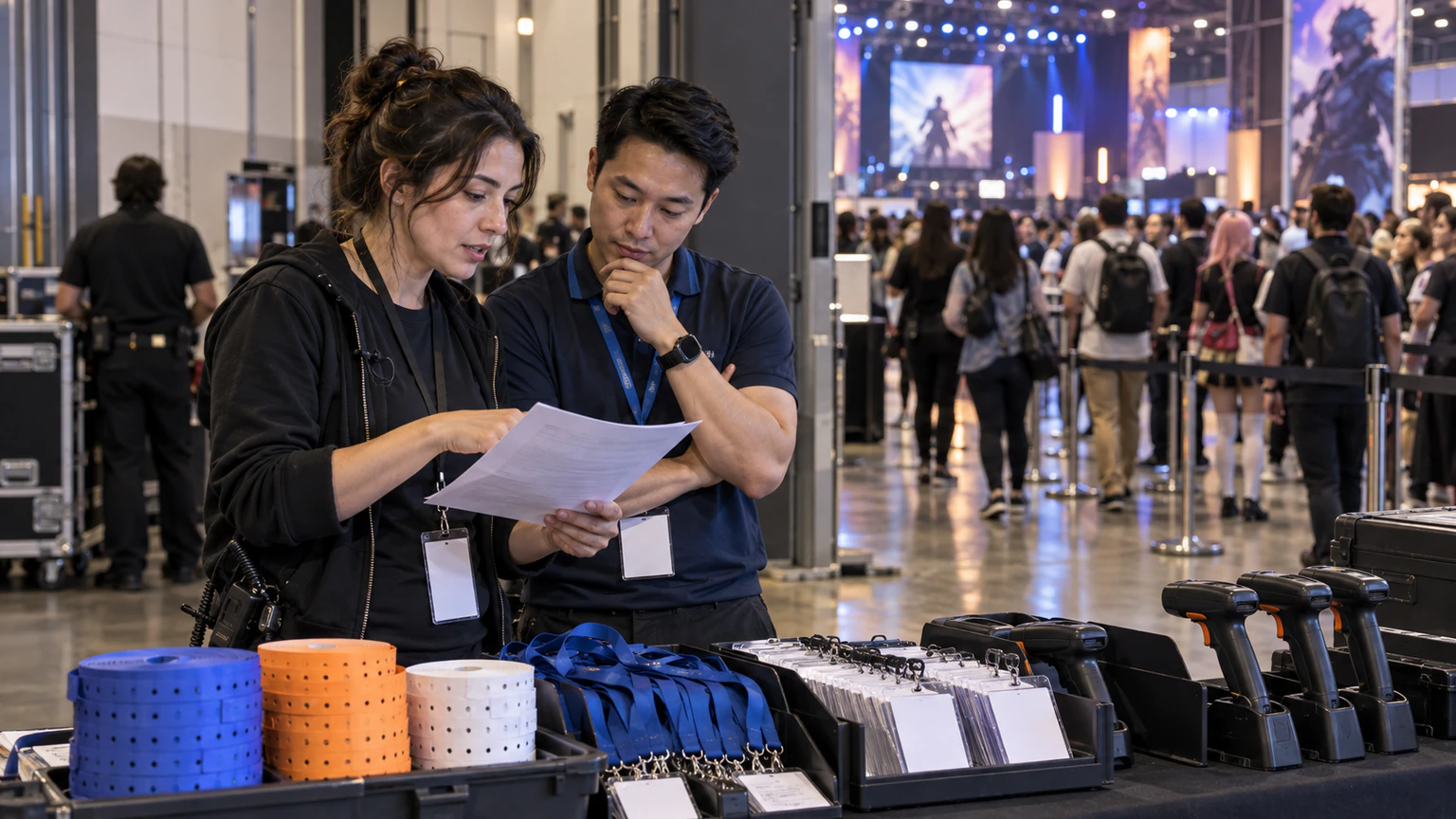
- check-in complaints become a stronger push for faster on-site workflows
- sponsor reporting gaps become demand for cleaner lead capture and post-event accountability
- session crowding becomes a scheduling and capacity management issue, not just a staffing issue
- interest in AI shifts from novelty to questions about safe, useful, operational deployment
This is one reason association agendas matter. They can help turn isolated operational headaches into recognized buying criteria.
When many organizers describe the same workflow pain in the same professional forum, vendors tend to treat it less like a one-off complaint and more like roadmap input.
Why leadership changes can alter technology priorities
New leadership in an association does not automatically mean a new technology era.
It can, however, change emphasis.
Leaders influence what gets discussed publicly, what gets framed as strategic, and which issues are treated as member-critical rather than optional. If reporting around an annual meeting points to new leadership alongside a strategy summit and emerging technology themes, that is usually a sign that the organization wants members thinking beyond day-to-day execution.
For event-tech watchers, the useful question is not, “Is this headline transformative?” It is, “What priorities may get more airtime, more structure, and more member attention because leadership is changing?”
That can affect vendors directly. A feature category that felt secondary last year may become more visible if association leaders start connecting it to efficiency, competitiveness, attendee experience, or member growth.
Where strategy summits matter most
A strategy summit is important because it can move the conversation beyond product showcases and trend language.
Well-run strategy discussions usually force sharper questions:
- Which operational problems are widespread enough to justify investment?
- What should organizers expect from technology in the next planning cycle?
- Which tools are solving live-event friction versus adding new complexity?
- What data practices are becoming essential rather than nice to have?
- How should teams evaluate emerging technology without overcommitting too early?
That kind of forum is valuable because it helps connect executive priorities with frontline event operations.
Too often, technology conversations stay split between vision and logistics. Strategy settings can close that gap if they focus on workflows, staffing pressure, attendee communication, and measurable outcomes.
How associations help separate hype from practical demand
Emerging tech is easy to discuss in broad terms. It is harder to evaluate under actual event conditions.
This is where associations can be especially useful.
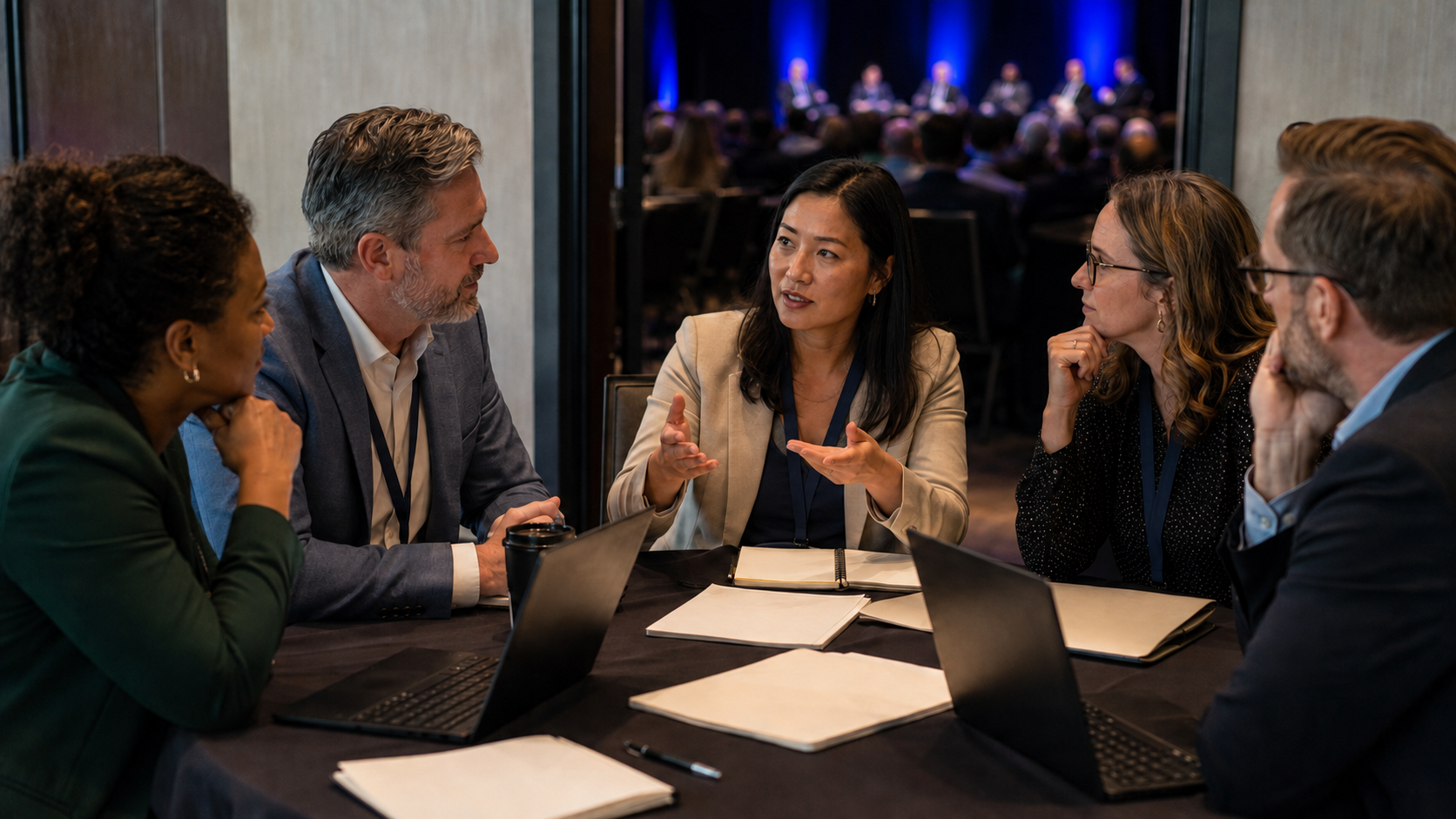
Because they bring together many practitioners, they create a more realistic testing ground for technology claims. A vendor can say a workflow is easy, intelligent, or transformative. A room full of operators will usually ask better questions:
- How much setup does it take?
- What happens when attendee data is incomplete?
- Can temporary staff use it reliably?
- Does it reduce support volume or just move it?
- Will it hold up during peak arrival or last-minute changes?
Those questions are healthy. They push innovation toward operational usefulness.
For buyers, this is one of the biggest benefits of association-driven discussion. It creates more opportunities to hear what happens after the demo.
What organizers should take from this
If you run events, association signals can help you prioritize technology review more intelligently.
You do not need to chase every trend that appears in conference programming. But you should watch for repeated themes, especially when they show up across leadership messaging, strategy sessions, and member discussions.
A practical way to use those signals
- note which technology topics appear repeatedly across industry gatherings
- separate broad trend talk from workflow-specific discussion
- compare those themes to your actual operational pressure points
- ask vendors how their roadmap reflects buyer problems being raised in the market
- use association conversations to sharpen internal requirements before buying
This approach keeps your team grounded. It turns industry chatter into a better planning filter.
What vendors should pay attention to
For vendors, associations are not only sales environments. They are listening environments.
If an association community starts discussing strategy, leadership direction, and emerging technology more explicitly, vendors should listen for what sits beneath those themes. Usually it is not just curiosity. It is pressure from members trying to solve recurring problems with limited time and staff.
Useful vendor questions include:
- Which operational issues keep being repeated by different organizations?
- Are buyers asking for flexibility, simplicity, or stronger controls?
- Which features sound exciting, but still lack a clear event-day use case?
- Where are member expectations becoming more standardized?
- What concerns are slowing adoption, even when interest is high?
The vendors that respond best are usually the ones that hear association themes as roadmap input, not just market noise.
Where to be careful
It is easy to overread one annual meeting, one leadership change, or one strategy announcement.
Not every association theme becomes a lasting market shift. Some topics get attention because they are timely, sponsor-friendly, or broadly newsworthy. Others fade when teams return to budget limits and operational reality.
That is why event teams should be careful about two mistakes:
- assuming public discussion automatically means market readiness
- ignoring early signals until competitors or stakeholders force the issue later
A better stance is balanced attention. Watch the themes, test them against real operations, and look for repeated evidence across multiple industry conversations.
A grounded framework for buyers and planners
If association-led discussion is bringing more attention to emerging technology, use a simple review framework before acting:
- Start with the workflow. Define the event task that needs improvement.
- Check repeatability. Ask whether the problem appears across multiple events or only in rare cases.
- Look for staffing impact. Prioritize changes that reduce manual work or support pressure.
- Test under live conditions. Consider peak check-in, badge issues, late edits, or sponsor demands.
- Ask for proof of operational value. Not just feature descriptions.
This keeps innovation tied to delivery.
What this means for event teams
Industry associations matter in event-tech innovation because they help define the market conversation before many buying decisions are made.
When annual meetings introduce new leadership, new strategic forums, and stronger emerging-tech discussion, it is usually a useful signal. Not a verdict, but a signal.
For planners, the opportunity is to listen more carefully and buy more selectively.
For vendors, the opportunity is to treat association conversations as a source of real operational insight.
And for the broader market, the best outcome is simple: more technology discussion that starts with actual event work, and less that stays at the level of buzz alone.