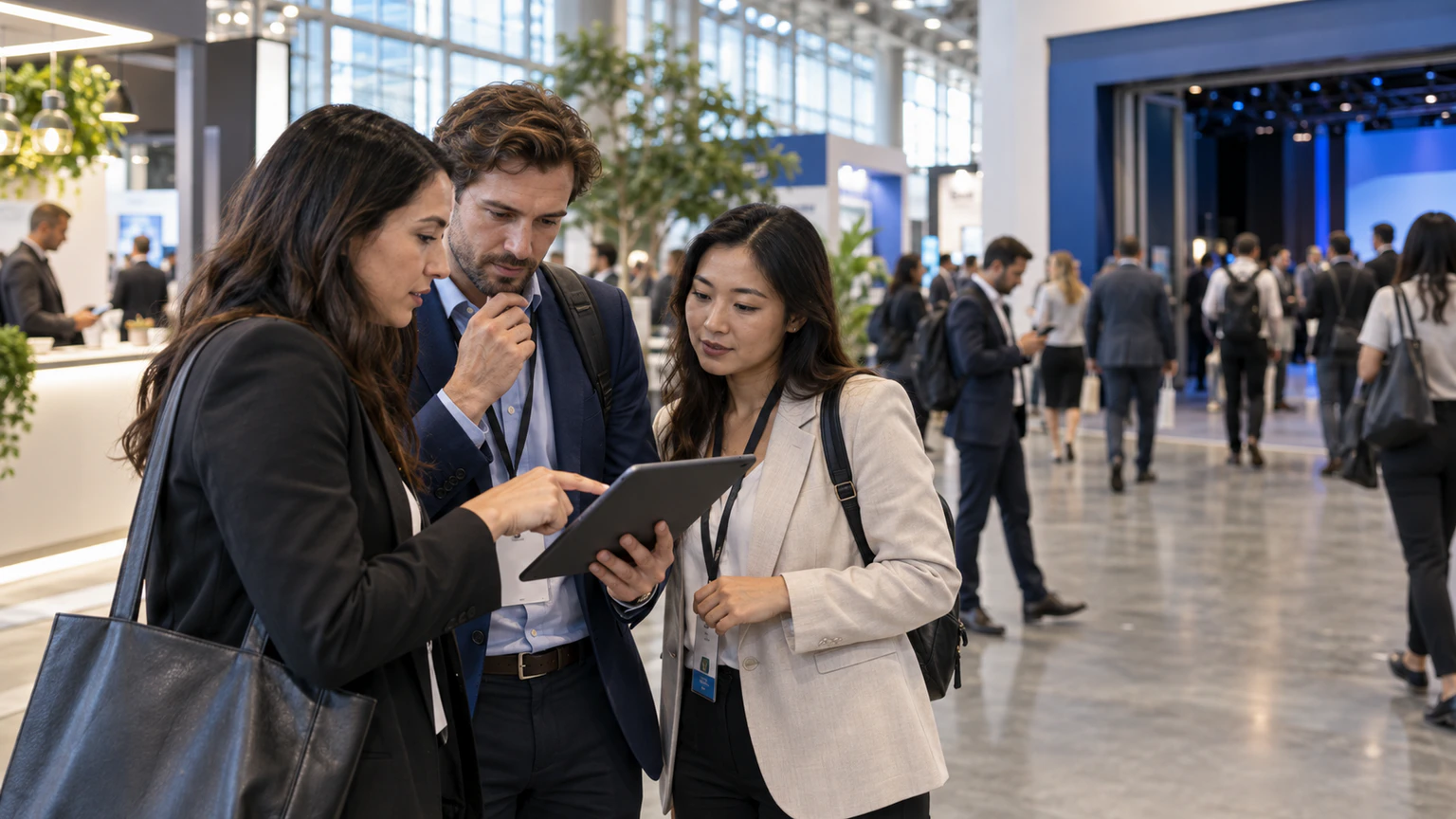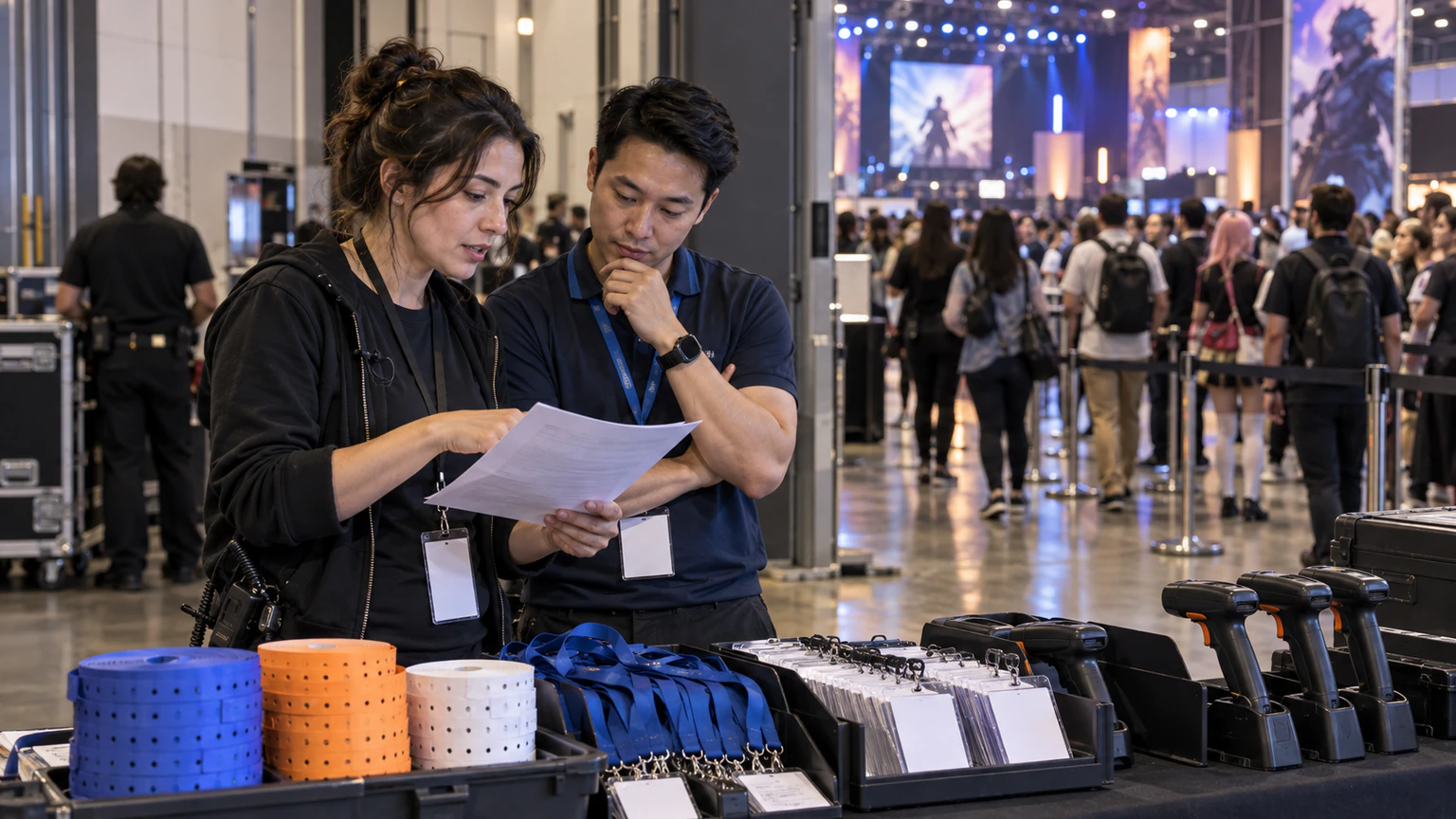
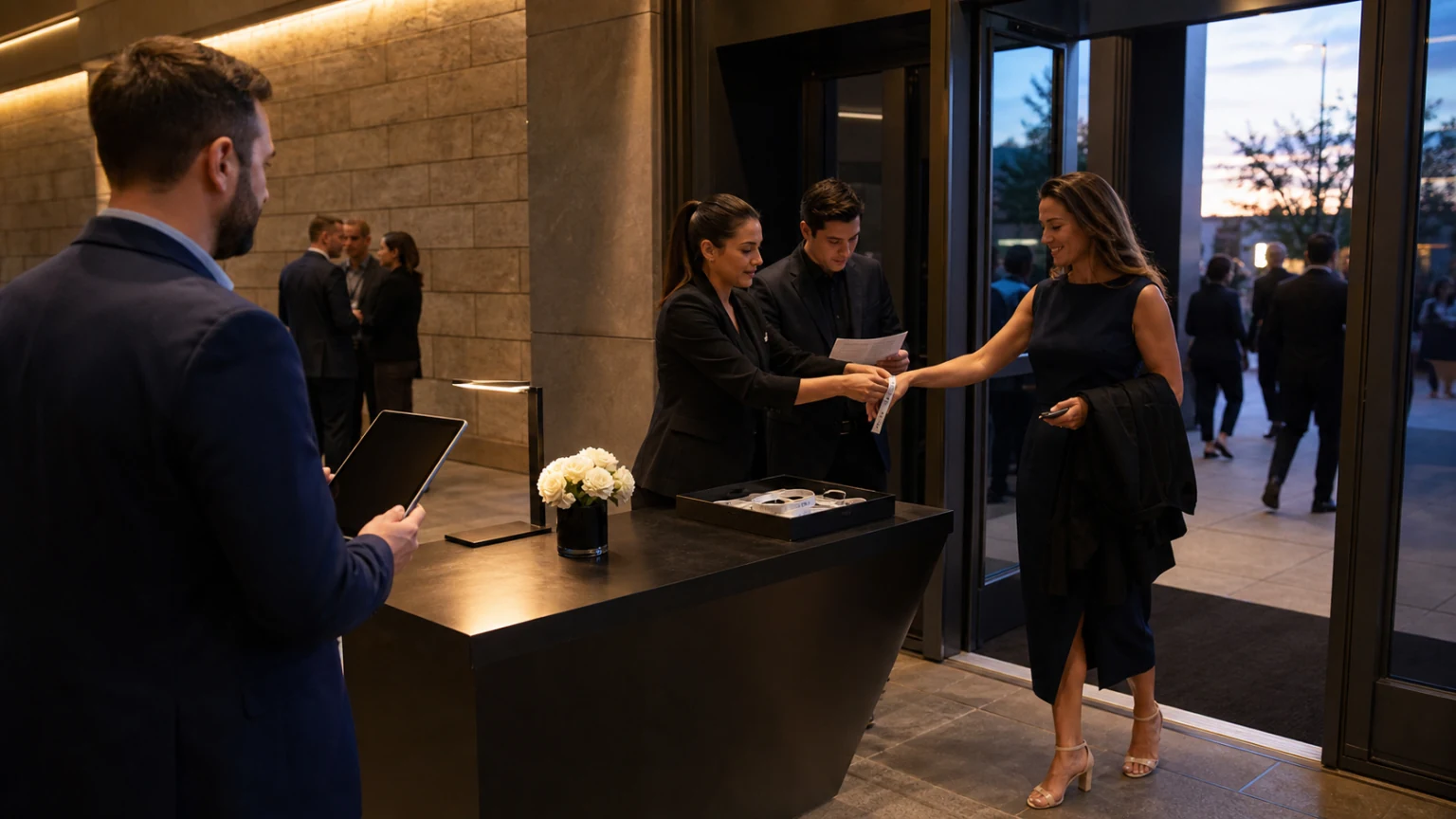
Premium attendee experiences are often designed as if they must stay manual to feel personal.
That assumption causes problems fast. VIP lists live in spreadsheets, last-minute requests move through messages, access rules change on site, and staff end up improvising what should have been planned.
Recent coverage around Encore Elite, described as setting a new standard for fan-focused VIP event management, is a useful prompt for event teams. Not because every organizer needs a luxury-tier program, but because it highlights a practical question: how do you deliver high-touch experiences without creating operational chaos behind the scenes?
A premium experience should feel personal to the attendee, but it cannot depend on fragile manual work for the team.
That is where event-tech platforms matter. Their value is not making VIP service feel automated. It is giving organizers a clearer way to manage participant data, access, communications, timing, and exceptions at scale.
Why premium experiences become hard to scale
A simple VIP program is manageable when there are only a few guests and a small team.
The difficulty starts when the event grows. More ticket types appear. More access zones are introduced. More hosts, sponsors, artists, speakers, or partners are involved. The team now has to coordinate different attendee journeys at the same time.
Common friction points include:
- separate lists for VIPs, sponsors, guests, staff, and general attendees
- manual assignment of perks, sessions, lounges, or hospitality moments
- last-minute access changes not reaching check-in teams quickly enough
- communications that are too broad, or sent to the wrong segment
- concierge-style requests being handled in inbox threads instead of a shared workflow
- unclear ownership between event operations, guest services, and venue teams
None of these problems are unusual. But together they create the classic premium-experience failure: the attendee expects something seamless, while the staff are stitching it together in real time.
What “scaling premium” should actually mean
Scaling does not mean treating VIPs like everyone else.
It means building enough structure behind the experience that the personal touches can happen consistently.
In practice, that usually means an event platform or event stack should help the team do a few things well:
- keep one reliable participant record per person
- assign access and entitlements clearly
- separate communications by audience type
- support fast check-in and issue resolution
- give on-site teams clear visibility into status and exceptions
- reduce re-entry of the same attendee information across workflows
The goal is not to automate hospitality. The goal is to remove avoidable operational friction so hospitality can happen properly.
Start with tier design, not technology
Before choosing workflows, define what the premium experience includes.
Many teams get stuck because “VIP” is treated as one broad label. Operationally, that is too vague.
A premium program usually works better when attendees are grouped by what they actually need, such as:
- priority arrival or private check-in
- hospitality or lounge access
- reserved seating or session entry rights
- meet-and-greet or backstage-style experiences
- private transport or escort requirements
- exclusive content, gifting, or merchandise collection
- hosted networking or sponsor-related access
These are not just marketing benefits. They are operational conditions.
If the team defines the experience in clear service tiers first, it becomes much easier to build the right rules, staffing plan, and communication flow around it.
Build the attendee record around service, not just registration
Premium experiences usually fail when guest data is collected once, then managed informally later.
A registration record may confirm that someone is attending. It may not show everything the operations team needs to deliver a higher-touch journey.
For premium attendees, the team often needs a working record that can support details such as:
- attendee type and entitlement level
- arrival window or scheduled entry time
- host, account owner, or relationship manager
- plus-one or guest linkage
- dietary, accessibility, or service notes
- session, lounge, or hospitality eligibility
- special handling instructions for on-site staff
This does not mean collecting everything possible. It means capturing what the event genuinely needs in order to deliver the promised experience reliably.
Design access rules early
Premium events often include the most complicated access model in the venue.
General attendees may need only a valid ticket. VIP and fan-premium groups may need different combinations of event entry, timed experiences, lounge access, priority lines, or restricted zones.
If those rules are unclear, the check-in desk becomes the place where policy is interpreted live.
That is risky for two reasons. First, it slows arrival. Second, it makes the premium experience feel uncertain.
A better planning approach
- list each premium tier and the spaces or moments it can access
- map time-based access where relevant, not just location-based access
- decide what front-of-house staff can approve on the spot
- define who handles exceptions and escalations
- make sure venue, security, and guest-service teams are working from the same logic
Premium attendees notice inconsistency quickly. Clear access planning is one of the easiest ways to prevent it.
Separate communications by journey stage
High-value attendees usually receive more communication, not less. The problem is that many teams send those messages in a fragmented way.
One message explains arrival. Another covers hospitality timing. A sponsor manager sends one update, and the venue team sends another. Then a last-minute schedule change reaches only part of the group.
Premium communication works better when it is planned as a staged journey:
- confirmation and expectation-setting
- pre-arrival instructions
- day-of reminders
- on-site updates
- post-event follow-up
Each stage should answer a simple operational question: what does this attendee need to know now in order to move smoothly through the next step?
That matters even more for fan-focused experiences, where anticipation is part of the value. Confusing instructions can damage the experience before the attendee even arrives.
Do not let premium check-in become a bottleneck
Many premium programs invest heavily in perks but overlook the arrival moment.
If VIP check-in is slower than standard entry, the event has already undermined its own promise.
Premium arrival design should usually cover:
- a clearly defined entry path
- faster identity and entitlement confirmation
- a staff member or host role for issue handling
- clear fallback steps for unmatched names or changed guest details
- wayfinding into the next experience, not just into the building
For some events, the right answer is a separate desk. For others, it is a dedicated lane, hosted arrival, or timed flow. The format matters less than the principle: premium guests should not enter a confused process.
Plan for exceptions, because premium attendees generate more of them
Premium workflows create more edge cases than standard registration. Guests change names. Plus-ones swap late. Sponsors add invitees. Hosts ask for upgrades. A VIP arrives outside their slot. A restricted experience runs over time.
These are normal operating conditions, not surprises.
Teams should decide in advance:
- which changes can be handled immediately on site
- which ones need approval
- who has authority to make exceptions
- how updates are shared across event staff
- what should be logged for post-event review
If the exception path is undefined, staff either say no too often or make inconsistent decisions under pressure.
Use premium experiences to improve the whole event operation
One useful side effect of building premium programs properly is that they expose weak spots in the wider event workflow.
If the team cannot manage a clean VIP record, it probably has a broader participant-data issue. If premium access rules are unclear, general access logic may be weak too. If hosts and venue staff are not aligned, other attendee groups may be experiencing the same coordination gap more quietly.
In that sense, premium-experience planning is not only about hospitality. It is a stress test for the event operation itself.
A practical checklist for organizers
If you are trying to scale premium attendee experiences with an event-tech platform, start here:
- Define each premium tier clearly: what is promised, to whom, and when
- Map the attendee journey: invitation, registration, arrival, access, hosted moments, departure
- Keep one working participant record: avoid separate VIP spreadsheets becoming the real system
- Set access rules early: spaces, timing, restrictions, and approvals
- Plan segmented communications: send the right operational detail to the right audience
- Design the arrival flow: check-in should feel faster, calmer, and more certain
- Prepare an exception process: decide who can solve edge cases on site
- Brief every operational team: event staff, venue staff, security, hospitality, and hosts
- Review after the event: note where premium service depended too much on manual work
What this means for event teams
The real opportunity is not just offering more VIP products. It is delivering them with less internal strain.
As fan experiences, hospitality programs, and sponsor-led premium access continue to grow, teams will need better operating discipline behind them. That includes cleaner participant management, more deliberate access planning, and stronger coordination between digital workflows and on-site delivery.
Technology helps most when it supports those fundamentals. Not when it adds another disconnected layer to manage.
Final thought
Premium attendee experiences should feel special, not improvised.
When organizers scale them well, the attendee notices the welcome, the speed, the clarity, and the confidence. What they should not notice is the operational complexity underneath.
That is the real test of event-tech support for VIP experiences: not whether the workflow looks sophisticated on paper, but whether the event team can deliver high-touch service consistently when the pace of the live event increases.