When a major exposition is reported to be tracking at a record-breaking pace, it gets attention for good reason. High attendance usually reflects more than one strong decision. It often points to a combination of market timing, audience relevance, exhibitor demand, and operational confidence.
A useful public signal here is the reported news that Equip Expo 2026 is continuing at a record-breaking pace. That matters because large expos do not grow through promotion alone. Sustained momentum usually depends on how well the event matches industry demand and how clearly it delivers value to attendees, exhibitors, and sponsors.
For organisers, venue operators, and exhibitors, the practical question is not how to copy one event headline. It is how to read the underlying drivers of participation and turn them into better decisions for planning, sales, and on-site delivery.
Record attendance is rarely the result of one tactic. It is more often the outcome of a well-aligned event model meeting a market that is ready to show up.
Why this matters for event operations
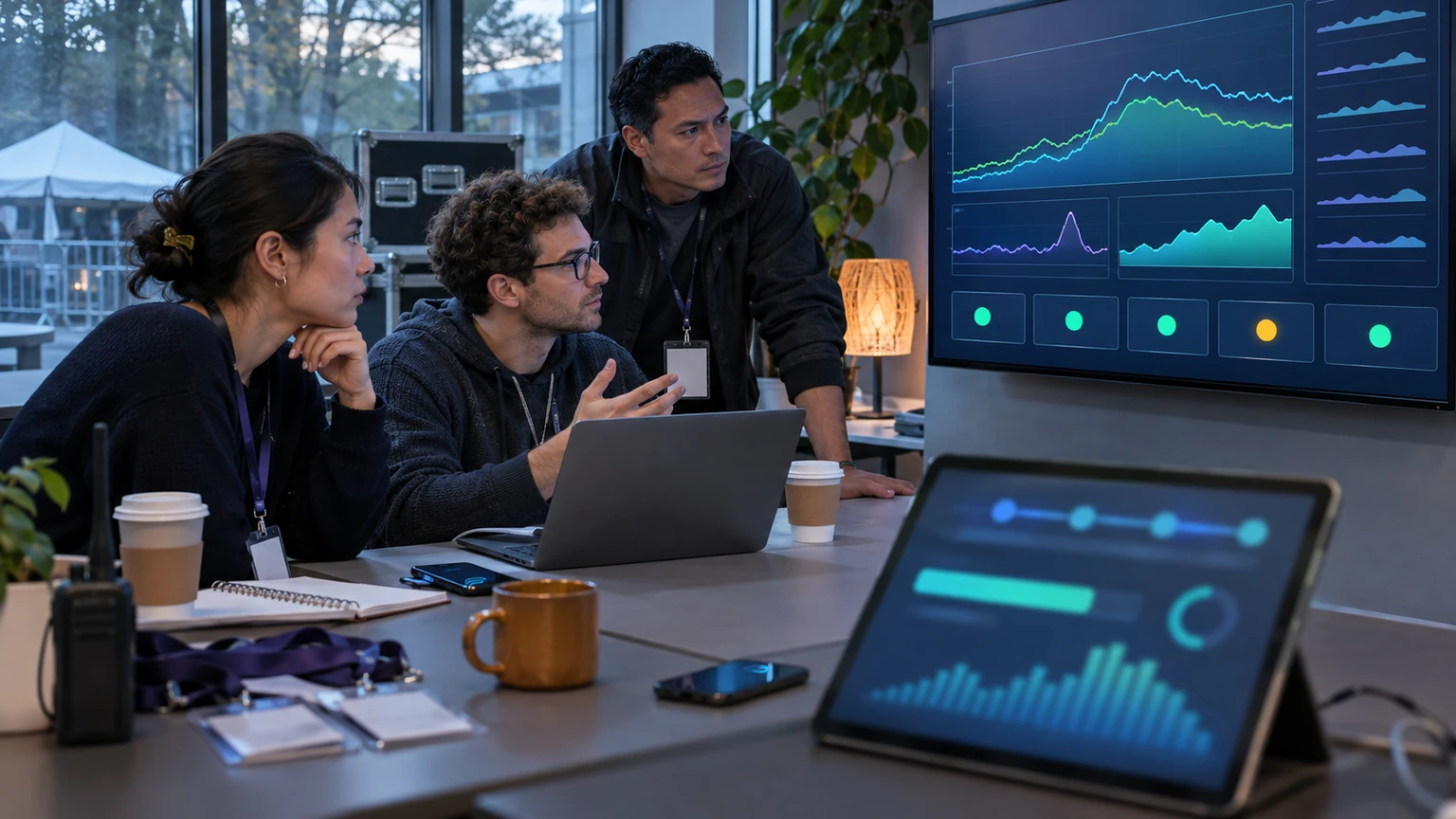
Attendance growth changes the operating model of an expo very quickly. More people can create more value, but only if registration, access, wayfinding, staffing, exhibitor support, and communications scale with them.
When they do not, growth creates pressure in predictable places:
- registration volumes and arrival flow
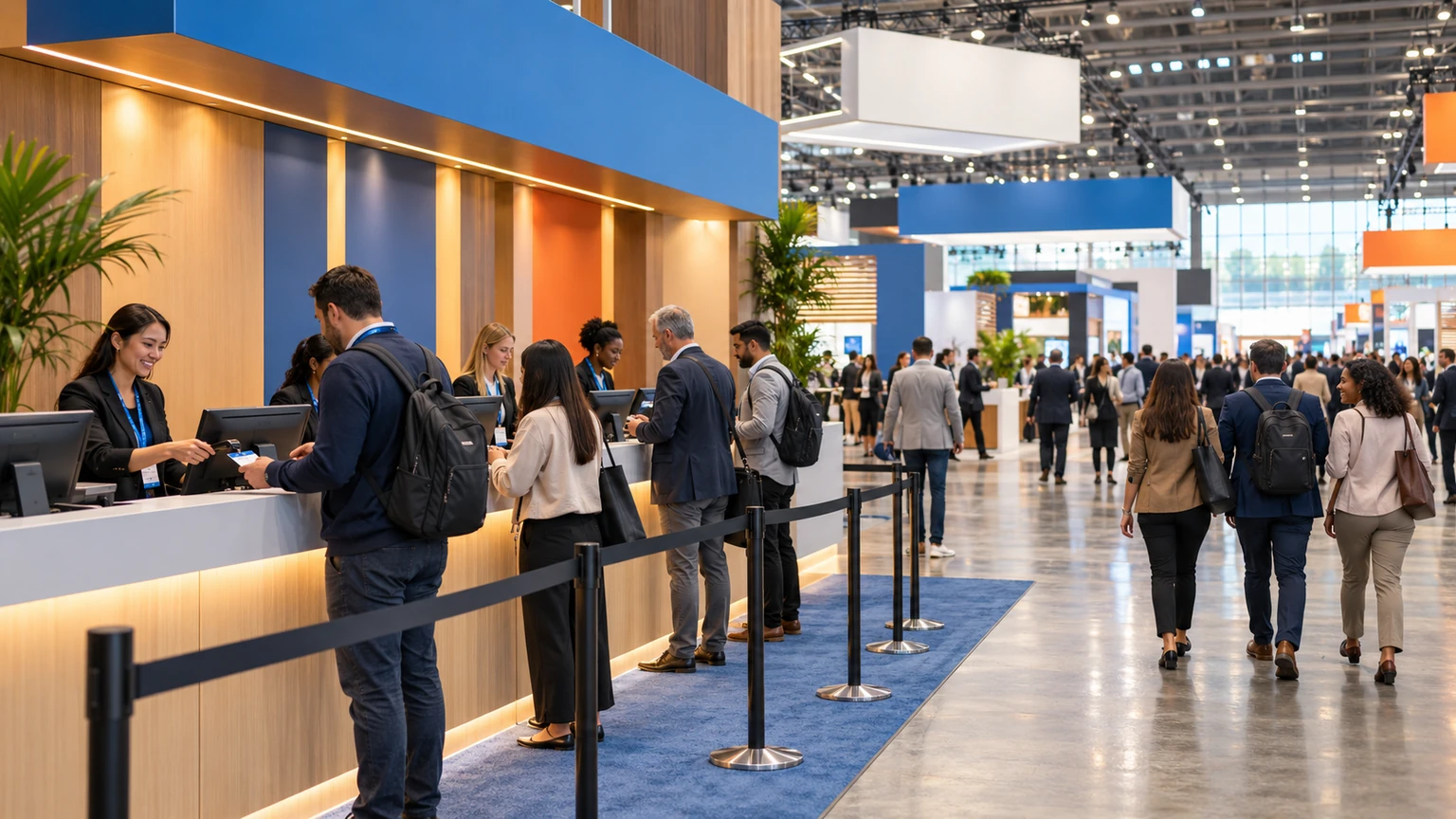
- badge printing and entry queues
- session room capacity
- staff coordination across halls and entrances
- exhibitor service response times
- sponsor visibility and traffic expectations
- attendee navigation and information access
That is why record attendance should be treated as an operational scenario, not just a marketing success story.
What the public signal tells us, and what it does not
From the source idea provided, the confirmed signal is limited but useful: Equip Expo 2026 has been reported as continuing at a record-breaking pace.
That is enough to support a grounded discussion about what tends to drive strong expo participation and how organisers can prepare for it.
What this does not confirm on its own is:
- the exact reasons for the attendance pace
- which marketing, sales, or exhibitor strategies are driving demand
- how much of the momentum comes from returning audiences versus new ones
- what digital tools or engagement channels are performing best
- which operational changes have already been made to support higher volume
That distinction matters. A strong public attendance signal supports useful analysis, but it does not justify guessing at one fixed formula or claiming specific tactics without evidence.
Evidence-aware event teams use public growth signals to sharpen their questions, not to oversimplify the reasons behind success.
What usually sits behind record expo attendance
1. Clear market relevance
Large expos grow when they remain closely tied to the real priorities of the industry they serve. If buyers, suppliers, and decision-makers feel the event is where important business conversations happen, attendance becomes easier to justify.
In practice, that often means the event is seen as useful for:
- finding suppliers or products
- tracking market change
- meeting partners or customers
- learning from live demonstrations or sessions
- benchmarking against peers
When relevance is high, marketing works harder because the underlying value proposition is already strong.
2. Exhibitor confidence
Attendance and exhibitor demand usually reinforce each other. Strong exhibitor participation makes the expo more attractive to attendees. Strong attendee demand makes space easier to sell and sponsor packages easier to position.
For organisers, this is a reminder that exhibitor success is not separate from audience growth. It is part of the same operating system.
Useful questions include:
- Do exhibitors see enough qualified traffic potential?
- Is the event easy to buy into and prepare for?
- Are service processes smooth enough to reduce friction?
- Can exhibitors understand where value comes from beyond floor presence alone?
3. Repeat trust
Many large expos benefit from returning audiences who already know the event delivers something worthwhile. That trust lowers the effort required to drive registration and makes word of mouth more credible.
Trust is built through practical consistency:
- reliable event delivery
- good venue experience
- clear communications
- useful content or demonstrations
- strong exhibitor mix
- less friction on-site
If attendees feel last year's event was worth the time and cost, they are more likely to return and bring colleagues.
4. Good timing and industry momentum
Attendance can also rise because the wider market is active. If a sector is expanding, changing quickly, or investing heavily, large in-person events often benefit. They become efficient places to gather information, compare options, and accelerate conversations.
Organisers cannot control the market cycle, but they can align the event more closely with it. That includes messaging, content planning, exhibitor positioning, and buyer outreach.
How digital engagement supports attendance, instead of replacing it
For expos, digital engagement usually works best when it helps people get more value from attending in person. It should reduce friction before the event, improve discovery during the event, and extend useful follow-up after it.
That can include practical layers such as:
- clear registration journeys
- agenda and exhibitor information
- event updates and operational messages
- meeting coordination
- post-event follow-up workflows
The important point is that digital engagement should support attendance conversion and on-site usefulness. It is not just a promotional channel.
What organisers should do when attendance starts accelerating
Review capacity assumptions early
If registrations are trending strongly, revisit operational assumptions before the final weeks. Do not wait for show days to discover that arrival flow, staffing plans, or help desk coverage were built for a smaller event.
Check:
- entry throughput
- badge production plans
- hall access and queue management
- session room capacities
- food, rest, and circulation pressure points
- frontline staffing and escalation paths
Protect the attendee journey
Growth is positive, but attendee experience can erode fast when volume rises. The strongest expos keep the basics clear:
- where to go
- what is happening
- how to find exhibitors and sessions
- who to ask for help
- how to manage schedule changes
Simple, timely communication is often more valuable than adding new complexity.
Support exhibitors before they need rescuing
When attendance is high, exhibitor expectations rise too. Organisers should make sure exhibitors are set up to handle traffic, staff their stands properly, and understand the likely attendee patterns.
Practical support can include:
- clear service deadlines
- accurate operational briefings
- traffic and timing guidance
- on-site support channels
- fast issue escalation for stand services or access questions
Strong attendance only becomes exhibitor success if the environment helps exhibitors act on it.
What sponsors can learn from high-attendance environments
Sponsors often focus on visibility first, but high-attendance expos reward more deliberate planning. Bigger crowds do not automatically produce better sponsor outcomes. Attention still needs structure.
Sponsors usually benefit more when organisers can connect sponsorship to real attendee behaviour, such as:
- high-traffic locations
- agenda adjacency
- target audience presence
- well-timed activations
- clear calls to action
This is one reason accurate attendee information and good floor planning matter so much. Attendance volume helps, but relevance and placement decide much of the outcome.
Where organisers should be careful
Strong growth can tempt teams into broad claims or rushed expansion. That is where avoidable problems start.
Be careful about:
- assuming one strong cycle guarantees long-term growth
- adding complexity faster than the team can operate it
- overselling sponsor or exhibitor outcomes
- treating registrations as the only success metric
- underestimating the pressure growth places on service and support
A bigger event is only better if the experience remains usable for the people inside it.
A practical review model for expo teams
If your event is growing, review performance through four lenses:
Demand
- What is driving registrations?
- Which audience segments are growing?
- How early is demand appearing?
Exhibitor value
- Are exhibitors renewing?
- Are they preparing effectively?
- Where are they still experiencing friction?
Operational resilience
- Can arrival, movement, and support workflows handle more people?
- Are staffing and communications strong enough for peak periods?
Engagement quality
- Are attendees actually finding value on site?
- Are sessions, exhibits, and meetings easy to access and understand?
This keeps planning grounded. Growth should be measured by usefulness and delivery quality, not just volume.
What good looks like
At a well-run large exposition, attendance growth feels noticeable but not chaotic. Attendees can move, discover, and participate without constant confusion. Exhibitors understand how to prepare and where to get help. Sponsors see structure, not just footfall. Internal teams know who owns what when issues appear.
That kind of outcome usually comes from disciplined planning around audience demand, exhibitor readiness, venue operations, and communications.
What this means for event teams
The reported record-breaking pace at Equip Expo 2026 is a useful reminder that major expos still have strong potential when they match real market demand and deliver value clearly.
For organisers, the lesson is practical: treat attendance growth as a system-wide signal. Look at relevance, exhibitor confidence, repeat trust, and digital support together. Then make sure operations can carry the weight of success.
In large expositions, record numbers may win the headline. Good execution is what turns those numbers into a better event.